

Summer across Georgia brings an increase in outdoor gatherings, street festivals, concerts, and community events that draw large crowds into urban and suburban areas. These conditions significantly increase pedestrian activity near roadways, which raises the likelihood of serious accidents involving vehicles and individuals on foot. Crowded intersections, distracted driving, temporary traffic changes, and reduced visibility all contribute to a higher risk environment during these seasonal events. Understanding how and why these incidents occur is important for both prevention and legal protection when injuries happen.
Princenthal, May & Wilson LLC represents injured pedestrians across Georgia and helps individuals and families pursue compensation after serious roadway collisions involving negligent drivers and unsafe traffic conditions.



Why Pedestrian Accidents Increase During Georgia’s Summer Event Season 
Georgia experiences a noticeable rise in pedestrian activity during the warmer months, particularly in cities such as Atlanta, Savannah, Augusta, and Athens. Festivals, outdoor concerts, food markets, parades, and sporting events transform downtown districts into high-traffic pedestrian zones where thousands of people walk within close proximity to active roadways. While these events are an important part of community life and local culture, they also create a unique combination of risks that significantly increase the likelihood of pedestrian accidents.
One of the primary contributing factors is congestion. Streets that normally handle moderate vehicle and foot traffic can become overwhelmed during peak event hours, especially in the evenings when attendance is highest. Drivers may struggle to navigate unfamiliar detours or temporary road closures, while pedestrians often move unpredictably between crowded sidewalks and street crossings. This environment reduces reaction time for drivers and increases the chance of collisions even at low speeds.
Another major factor is distraction. Drivers may be focused on finding parking, using navigation systems, or observing crowds rather than watching for pedestrians. At the same time, pedestrians may be distracted by phones, conversations, or event activities, leading them to step into roadways without noticing oncoming traffic. This combination of distractions creates conditions where even cautious individuals can become involved in preventable collisions.
Alcohol consumption at festivals and evening events also plays a significant role. Both drivers and pedestrians may have impaired judgment, slower reaction times, and reduced awareness of their surroundings. These impairments increase the likelihood of risky behavior such as crossing outside designated areas or failing to yield at intersections.
Attorney At Law Attorney At Law Attorney At Law
Adam Princenthal

David May
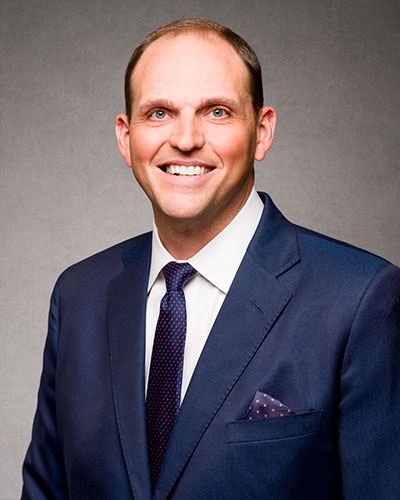
Matthew Wilson
Common Locations Where Pedestrian Accidents Occur in Georgia
Pedestrian accidents during summer events are most common in areas where large crowds intersect with vehicle traffic. Downtown entertainment districts are particularly vulnerable, especially when streets are partially closed for festivals but still accessible to local traffic and rideshare vehicles. Intersections near concert venues, stadiums, parks, and university campuses also experience increased risk due to heavy foot traffic combined with frequent vehicle movement.
In Atlanta, for example, major events around Midtown and Centennial Olympic Park often create dense pedestrian flow across multiple intersections. In Savannah, historic district festivals bring large crowds into narrow streets that were not designed for modern traffic volumes. Athens experiences similar challenges during university-related events, where student populations and visitors mix in concentrated areas with limited pedestrian infrastructure.
These environments often lack sufficient traffic control measures such as additional signage, crossing guards, or temporary signals, which can further increase confusion for both drivers and pedestrians.
Types of Injuries Seen in Pedestrian Collisions
When a vehicle strikes a pedestrian, the injuries are often severe due to the absence of physical protection. Even at lower speeds, the impact can cause life-altering harm that requires extensive medical treatment and long-term rehabilitation. Common injuries include fractures, traumatic brain injuries, spinal cord damage, internal organ injuries, and deep tissue damage that can affect mobility and daily functioning.
Head injuries are particularly concerning because they may not always present immediate symptoms but can lead to long-term cognitive issues, memory loss, or chronic pain. Spinal injuries may result in partial or complete loss of mobility, requiring ongoing care and significant lifestyle adjustments. In many cases, victims are unable to return to work for extended periods, leading to financial strain in addition to physical recovery.
Severe pedestrian accidents may also result in emotional trauma, including anxiety, depression, and post-traumatic stress, which can further complicate the recovery process.
After a car accident, I contacted David May at the Lagrange office. He, and his staff, helped me with medical advice and follow up doctors visits, along with dealing with my insurance and the insurance of the woman that hit me. I have been very pleased with the service I received from David May and the Lagrange staff. They are warm and open, always there to help with advice and answer questions.” - Debau I highly recommend Adam Princenthal .I was looking for someone with years of experience in personal injury.They needed to be knowledgeable, transparent and honest.I wanted to know I was dealing directly with the lawyer I hired.Adam Princenthal could answer all the difficult questions and phone calls were returned.Adam got the settlement I was looking for in a timely manner." - Nancy K. I am glad that I was referred to Princenthal & May. Matthew met with me and gained my trust with the case. I was never left in the dark on any matters, My phone calls were either answered or returned quickly. The office staff are very friendly as well. My case was settled, with both Matthew and Adam present. Both are very professional in their work.. They work for you !!!" - Jacque Minor
Driver Negligence and Liability in Event-Related Accidents
Most pedestrian accidents involve some form of driver negligence. During busy summer events, common negligent behaviors become more pronounced due to stress, congestion, and distractions. Drivers may fail to yield at crosswalks, ignore temporary traffic signals, speed through crowded areas, or operate vehicles while distracted by mobile devices or navigation systems.
Georgia law requires drivers to exercise a high degree of caution when operating vehicles near pedestrians, especially in designated crossing areas. Failure to do so may result in liability for injuries caused. In many cases, liability is determined by examining police reports, witness statements, traffic camera footage, and physical evidence from the scene.
Georgia follows a modified comparative negligence rule, which means an injured pedestrian may still recover compensation even if partially at fault, as long as their responsibility does not reach a certain threshold. This legal framework makes accurate investigation and evidence collection especially important in determining the outcome of a claim.
Safety Challenges for Pedestrians During Festivals and Large Events
Pedestrians attending summer events face several safety challenges that are not always present in everyday conditions. Temporary traffic patterns can be confusing, especially when roads are closed or rerouted. Crowds may block visibility at intersections, making it difficult to see approaching vehicles. In addition, lighting conditions during evening events may reduce visibility for both drivers and pedestrians.
To reduce risk, individuals should remain alert at all times, avoid distractions while walking, and use designated crosswalks whenever available. Wearing visible clothing at night and staying within well-lit areas can also improve safety. It is also important to avoid stepping into roadways between parked vehicles or crowded areas where drivers may not expect pedestrian movement.
Event organizers and municipalities also share responsibility for safety by implementing clear traffic control measures, adequate signage, and designated pedestrian pathways.
Hiring a Personal Injury Attorney How Long Will a Personal Injury Case Take?Related Videos
Legal Options After a Pedestrian Accident in Georgia
When a pedestrian is injured due to a driver’s negligence, they may have the right to pursue compensation for damages. These damages can include medical expenses, lost wages, future medical care, rehabilitation costs, and pain and suffering. In more severe cases, long-term disability or wrongful death claims may arise, depending on the circumstances of the incident.
Establishing a strong claim requires careful analysis of how the accident occurred. This includes reviewing whether traffic laws were violated, whether visibility was obstructed, and whether proper safety measures were in place. Insurance companies often attempt to minimize payouts, which makes legal representation critical in ensuring fair treatment and accurate valuation of damages.
Princenthal, May & Wilson LLC assists injured pedestrians by conducting thorough investigations, working with medical professionals, and negotiating with insurance companies to pursue fair compensation. More information can be found here:
https://www.princemay.com/georgia-pedestrian-accident-lawyers/
Additional resources include:
https://www.princemay.com/georgia-personal-injury-lawyers/
https://www.princemay.com/hiring-a-pedestrian-accident-attorney/
What to Do After a Pedestrian Accident
The steps taken immediately after a collision can significantly impact both health outcomes and legal recovery. Seeking medical attention should always be the first priority, even if injuries appear minor at first. Some conditions may worsen over time if left untreated. Reporting the incident to law enforcement ensures an official record is created, which may later be used as evidence.
If possible, gathering information at the scene can also be helpful. This includes taking photographs of the area, noting vehicle details, and collecting contact information from witnesses. Avoiding detailed discussions with insurance representatives before understanding legal rights is also advisable, as early statements can sometimes be used to reduce compensation.
Summer festivals and events across Georgia create vibrant public spaces that bring communities together, but they also introduce increased risks for pedestrians due to congestion, distraction, and changing traffic conditions. These risks are especially pronounced in busy urban areas where large crowds and vehicle traffic share limited space. Understanding these dangers and knowing the legal options available after an accident can help injured individuals protect their rights and pursue appropriate compensation.
Princenthal, May & Wilson LLC remains committed to supporting injured pedestrians throughout Georgia and helping them navigate the legal process following serious roadway incidents.
Disclaimer: This content is for informational purposes only and is not legal advice. Consult an attorney regarding your specific situation.