
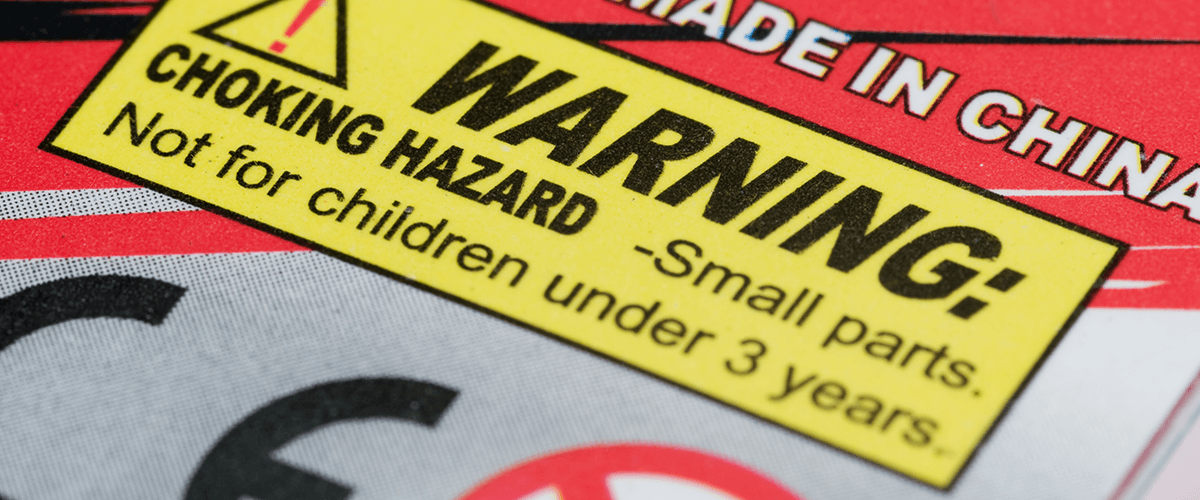
Product manufacturers, designers, and distributors are required by law to ensure that their products do not pose an unreasonable risk to consumers. The companies that profit from the design, manufacture and sale of consumer products are best situated to ensure that the products are safe. Nevertheless, thousands of consumers are injured or killed by defective products each year. A product may be defective because it was designed improperly, manufactured improperly, or did not have adequate warnings. Any one of these types of defects can cause catastrophic injury to the consumer.
While any type of defective product can lead to serious injury or death, some of the most dangerous products are:
- Defective automobiles;
- Defective machinery;
- Defective medical devices; and
- Defective drugs.
If you believe that you or a family member has been injured as a result of a defective product, contact the firm of Princenthal, May & Wilson, LLC.
Types of Product Defect Claims
A Georgia product liability lawyer begins by identifying what allegedly went wrong with the item, how it reached the user, and how that condition caused the injury. A design defect concerns a risk built into the product’s plan. A manufacturing defect concerns a departure from the intended design in a particular unit or batch. A warning or instruction problem may arise when reasonably foreseeable risks were not adequately communicated. The legal theory and proof are different for each category; a bad outcome alone does not establish a defect.
Consider a vehicle component that fails in ordinary use, a power tool that lacks a protective feature, or a medical device with a labeling issue. The investigation asks when the condition arose, whether the product had been modified or misused, what alternative explanations exist, and whether the injury would have happened without the alleged defect. Photographs and maintenance records matter, but the actual item often provides the most important evidence.
Products can pass through manufacturers, distributors, sellers, installers, and repair companies. Their legal roles are not interchangeable. Identifying the actual manufacturer and the chain of custody helps determine which claims fit the evidence. Our article on Georgia product liability law gives additional background, while this page explains how our firm approaches an injury claim.
Strict Liability Under O.C.G.A. § 51-1-11
Georgia’s product liability statute, O.C.G.A. § 51-1-11(b)(1), can impose liability on a manufacturer of personal property sold as new when its condition at the time of sale was not reasonably suited to its intended use and that condition proximately caused injury to a person or property. The provision does not require a contract directly between the injured user and manufacturer. It also does not turn every malfunction or injury into a viable lawsuit. The product’s condition when sold, causation, and the identity of the defendant remain central questions.
Other theories, including negligence, may also be considered when supported by the facts. A warning claim can raise different questions from a manufacturing-defect claim, including what the manufacturer knew or should have communicated and how the product was used. Defenses may involve alteration, misuse, another cause of failure, or disputed medical causation. We review the product history and applicable law before choosing a theory rather than assuming one theory fits every accident.
Keep the purchase paperwork, model and serial numbers, packaging, manuals, warnings, repair records, and photographs. Do not throw away the product, its broken parts, or a damaged vehicle if you may have a claim. Avoid repairs or testing that would alter the item before an attorney and qualified expert can consider how to preserve it.
Georgia’s 10-Year Statute of Repose
O.C.G.A. § 51-1-11(b)(2) generally bars an action under the statute more than ten years after the product’s first sale for use or consumption. That date is different from the date you bought a used item and may be difficult to determine without records. Subsection (c) applies the same repose period to many manufacturer-negligence claims while providing specific exceptions. An attorney must review the product, the claim theory, and any applicable exception before treating the ten-year period as conclusive.
The statute of repose is not the only time limit. A personal injury lawsuit may also face a separate limitations period, often measured from the injury, with exceptions that can alter the analysis. Contact counsel promptly after an accident even if the product is relatively new. Waiting can also allow the item to be discarded, a vehicle to be salvaged, or electronic data to be lost.
Recalls and Your Claim
A recall can point investigators toward a known hazard, identify affected models, and explain a proposed remedy. Search the manufacturer’s notices and the relevant government database by model and serial number. For consumer products, the U.S. Consumer Product Safety Commission recall database is one starting point. Vehicles and equipment may have different federal recall sources. Preserve the notice and proof that your specific unit was covered.
A recall is evidence to evaluate, not automatic proof that a defect caused your injury. Conversely, the absence of a recall does not establish that a product was safe. An expert may need to examine the item and compare its condition with the recall description and your account of the event. See our article on the role of recalls in product liability claims for more context.
What a Product Liability Case Is Worth
Compensation depends on the injury, supporting evidence, applicable law, and the defendants and insurance available. A claim may seek documented medical expenses, lost earnings, future care needs, property damage, and the human effect of an injury when the law permits. A fatal injury can raise additional wrongful death questions. The value of a case cannot be determined from a single accident description or a published verdict.
Our representative cases include a $1.2 million products liability result concerning a defectively manufactured vehicle involved in a fatal rollover after a tire blowout. That result is a historical example, not a promise of a similar outcome. The design, manufacturing, or warning evidence in a new case may differ substantially. We evaluate losses with records, expert analysis when needed, and the facts of the particular product.
Several parties may disagree over the cause of an accident. A crash may involve both driver conduct and an alleged component failure. A workplace machine injury may also involve job-site safety issues. Determining which loss is attributable to which conduct takes careful investigation. Early settlement discussions should account for medical prognosis and future needs rather than focusing only on bills already received.
How We Build a Case
The first priority is to protect people and preserve evidence. Seek medical care, document the scene when safe, identify witnesses, and store the product and all components in a secure place. Photograph labels, markings, damage, and the surroundings before anything is moved if doing so is safe. If an insurer or business asks to inspect the item, request a plan that protects it from destructive testing or disposal.
We can trace the product’s purchase and service history, identify the manufacturer and other involved businesses, and review instructions, warnings, maintenance, and prior complaints where available. An engineer, medical specialist, or other qualified expert may be needed to test a proposed failure mechanism and distinguish it from wear, installation, alteration, or another cause. Testing methods and chain of custody should be documented so the findings can be evaluated fairly.
The investigation must connect the alleged defect to the injury. That may involve medical records, photographs, accident reconstruction, witness accounts, and records of the product’s performance. We also examine defenses and alternative explanations. Preparing a clear case requires understanding what the evidence proves as well as where it is uncertain.
Questions to Ask After a Defective-Product Injury
Do I need the original product?
Usually, preserving the item is extremely helpful. It may allow a qualified professional to inspect the alleged failure and to test competing explanations. Keep broken pieces, packaging, labels, purchase records, and any photographs taken before the item was moved. If a vehicle or machine is in someone else’s possession, tell that person in writing that the item may be evidence and ask how it will be stored. A lawyer can discuss a formal preservation request when appropriate.
What if I no longer have a receipt?
A receipt can help establish the sale date and exact model, but other records may exist. Credit-card statements, online order history, warranty registration, serial numbers, owner manuals, repair invoices, and photographs may help identify the product. If it was a workplace item or a borrowed product, a business or owner may hold purchase and service records. Do not assume a claim is impossible solely because you cannot immediately find a receipt.
Does a recall mean I automatically win?
No. A recall may identify a potential hazard, but a case still requires proof about your specific item, the incident, the injury, and the defendant. A recall may concern a different production run or failure mode. It may also have been issued after your accident. Save the notice, but do not substitute it for an investigation of the product and the circumstances.
What if the product was used or repaired?
Used products and repairs require a careful timeline. The ten-year repose period generally focuses on first sale for use or consumption rather than your later purchase date. Repairs or modifications may affect causation or identify another potentially responsible party. Gather invoices and service records, and avoid making additional changes to the item while potential evidence is being assessed.
Because these questions turn on detailed facts, our attorneys review the actual product, records, medical harm, and potential deadlines before advising whether a case is supportable. A consultation is a chance to identify what evidence can still be preserved and which expert questions require attention.
If you have been hurt by a product, contact the firm before discarding or repairing it. Tell us the make, model, approximate purchase date, where the item is now, and what happened. A free consultation can identify the most urgent preservation and deadline questions. Our contact page lists both offices and a request form.
Frequently Asked Product Liability Questions
A product may be defective because it was designed improperly, manufactured improperly, or lacked adequate warnings. Any of these types of defects can lead to catastrophic injury.
Some of the most dangerous products include defective automobiles, defective machinery, defective medical devices, and defective drugs.
Product manufacturers, designers, and distributors are required by law to ensure their products don’t pose an unreasonable risk to consumers, since the companies that profit from designing, manufacturing, and selling these products are best positioned to ensure their safety.
Client Reviews

If I could give more than 5 stars I would. Everyone was exceptional. I was kept in the loop at every stage of my case. They helped me understand some of the more complex insurance jargon and really cared about my well being! Highly recommend!
Ibrahim James