
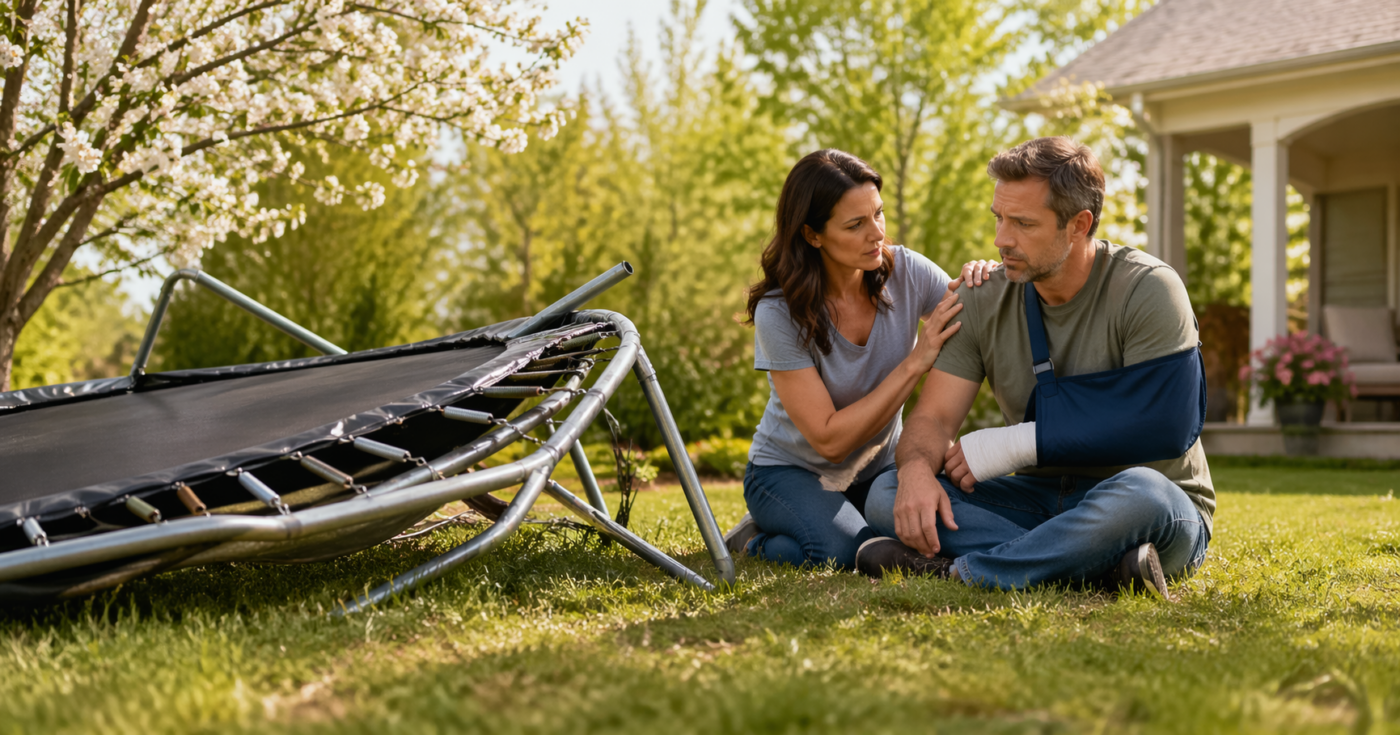
Springtime in Georgia brings an abundance of outdoor activity, from playground fun and backyard barbecues to gardening and recreational sports. While these activities are meant to be enjoyable, they also carry risks, particularly when defective outdoor products are involved. Princenthal, May & Wilson LLC has represented numerous clients across Georgia who have suffered serious injuries due to unsafe products, and understanding how liability works is crucial for anyone affected. This guide provides a comprehensive overview of defective product claims, common springtime injuries, Georgia laws, and the steps necessary to protect your rights and pursue compensation.



Understanding Defective Outdoor Products 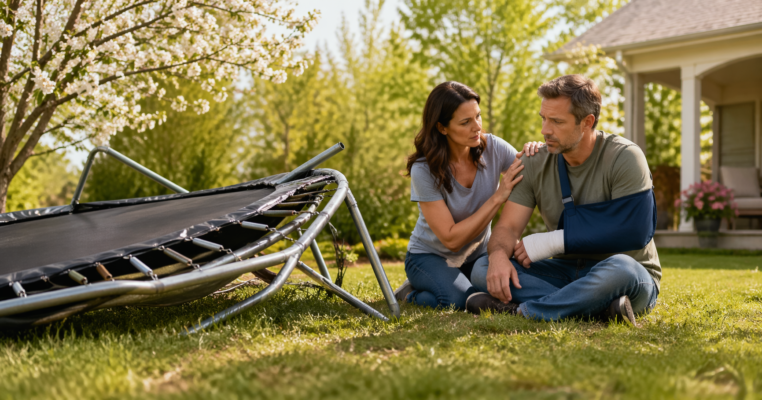
A defective outdoor product is one that fails to perform safely when used as intended, potentially causing harm. These defects can be classified into three primary categories:
- Design defects occur when a product is inherently unsafe due to its design, even if manufactured correctly. For example, a trampoline that lacks proper spring guards may cause severe falls.
- Manufacturing defects happen when errors in production create hazards that were not part of the original design, such as improperly welded playground equipment or misaligned bicycle frames.
- Marketing defects arise when products do not include adequate instructions or warnings for safe use, including lawn tools, power equipment, or grills that lack explicit hazard instructions.
Outdoor products most commonly associated with injuries in spring include trampolines, playground structures, bicycles, power tools, gardening equipment, and boats or watercraft for recreational use. Increased exposure during warmer months makes identifying potential hazards and understanding product safety standards particularly important.
Attorney At Law Attorney At Law Attorney At Law
Adam Princenthal

David May

Matthew Wilson
Legal Framework for Product Liability in Georgia
Georgia law provides several avenues for holding manufacturers accountable when their products cause injury. Victims may pursue claims based on strict liability, negligence, or breach of warranty.
- Strict Liability: In Georgia, manufacturers can be held liable even without proof of negligence if the product is defective and the defect directly caused injury. This approach emphasizes the responsibility of manufacturers to ensure their products are safe for consumer use.
- Negligence: This legal theory requires demonstrating that the manufacturer failed to exercise reasonable care during design, production, or marketing, leading to harm. Examples include failing to test a trampoline adequately before sale or not addressing a known defect.
- Breach of Warranty: Injuries may also be actionable if the product failed to meet express or implied safety standards, promises, or specifications guaranteed by the manufacturer.
Georgia follows a comparative fault system, meaning that any compensation may be reduced proportionally if the injured party contributed to the accident or injury in some way. Understanding how these laws apply to specific cases is critical for achieving a fair outcome.
After a car accident, I contacted David May at the Lagrange office. He, and his staff, helped me with medical advice and follow up doctors visits, along with dealing with my insurance and the insurance of the woman that hit me. I have been very pleased with the service I received from David May and the Lagrange staff. They are warm and open, always there to help with advice and answer questions.” - Debau I highly recommend Adam Princenthal .I was looking for someone with years of experience in personal injury.They needed to be knowledgeable, transparent and honest.I wanted to know I was dealing directly with the lawyer I hired.Adam Princenthal could answer all the difficult questions and phone calls were returned.Adam got the settlement I was looking for in a timely manner." - Nancy K. I am glad that I was referred to Princenthal & May. Matthew met with me and gained my trust with the case. I was never left in the dark on any matters, My phone calls were either answered or returned quickly. The office staff are very friendly as well. My case was settled, with both Matthew and Adam present. Both are very professional in their work.. They work for you !!!" - Jacque Minor
Types of Injuries Common in Spring
Spring activities often expose individuals to unique hazards. Defective outdoor products can lead to severe injuries, including:
- Fractures and broken bones from trampoline collapses, swings, or slides.
- Lacerations and amputations from improperly guarded power tools, lawn mowers, and gardening equipment.
- Burns or thermal injuries from defective grills or outdoor heating devices.
- Head trauma from bicycle accidents involving defective helmets or frames.
- Soft tissue injuries such as sprains and tendon tears from faulty sports equipment or playground gear.
Immediate medical attention is not only vital for recovery but also serves as crucial documentation for potential claims against a manufacturer or seller.
Steps to Take After an Injury
When an injury occurs due to a defective product, taking prompt and organized steps can strengthen a claim:
- Seek medical care immediately to ensure proper treatment and create an official medical record.
- Preserve the product and its packaging to maintain evidence of the defect, including taking photographs and documenting serial numbers.
- Notify relevant parties, including the seller, manufacturer, and consumer safety authorities if applicable.
- Document your experience thoroughly, including medical bills, lost wages, and records of communication with product vendors.
- Consult with a qualified attorney, especially one experienced in Georgia product liability law, to assess potential claims and guide you through negotiations or litigation.
Hiring a Personal Injury Attorney How Long Will a Personal Injury Case Take?Related Videos
How Attorneys Assist
Princenthal, May & Wilson LLC helps clients navigate the complexities of product liability claims, ensuring that all deadlines and legal requirements are met while maximizing the potential recovery. Attorneys can:
- Identify whether the injury results from a design, manufacturing, or marketing defect.
- Investigate the product’s history, including recalls, safety testing, and industry standards.
- Gather expert testimony and documentation to demonstrate causation and liability.
- Negotiate with insurance companies and pursue court action if necessary.
Real-Life Case Examples
- In Sandy Springs, a trampoline spring failed during use, causing a teenager to fall and sustain a serious arm fracture.
- In LaGrange, a lawn mower’s defective blade severed a gardener’s tendons, resulting in long-term disability.
- Playground swings in Cobb County were improperly welded, leading to a child sustaining a head injury.
Each example highlights the importance of connecting the defect directly to the injury and the benefit of expert investigation to support claims.
Preventing Injuries from Defective Products
While not all injuries are preventable, proactive safety practices can reduce risks:
- Regularly inspect outdoor products for wear, damage, or recalls.
- Carefully follow manufacturer instructions and safety guidelines.
- Supervise children during play and outdoor activities.
- Report defective products to authorities to prevent further injuries.
Product Recalls and Consumer Safety
The U.S. Consumer Product Safety Commission (CPSC) maintains a database of recalled products. Checking recalls for outdoor items such as trampolines, playground equipment, and power tools is an important preventive measure. Awareness of recalls can prevent injuries and support claims in the event of harm caused by a product that should have been removed from circulation.
Spring in Georgia offers opportunities for outdoor enjoyment, but defective products pose real risks. Understanding product liability laws, documenting injuries, preserving evidence, and seeking expert legal guidance is essential for protecting rights and pursuing compensation. Princenthal, May & Wilson LLC provides experienced representation for individuals injured by defective outdoor products, helping clients navigate complex claims while ensuring that their rights are fully protected.
Disclaimer
This content is for informational purposes only and is not legal advice. Consult an attorney about your specific situation.
To learn more about this subject click here: How does Georgia law define a “defective” product?