

Winter brings unique hazards, especially in Georgia, where slip-and-fall accidents rise significantly during the colder months. The state’s combination of wet conditions, cold temperatures, and short daylight hours creates an environment ripe for accidents. Understanding the factors behind this spike in claims, and knowing how to prevent them, is crucial for both individuals and businesses. If you’ve been involved in such an accident, the team at Princenthal, May & Wilson LLC is ready to assist with the legal process and help you pursue the compensation you deserve.




Understanding the Surge in Slip-and-Fall Accidents During Winter 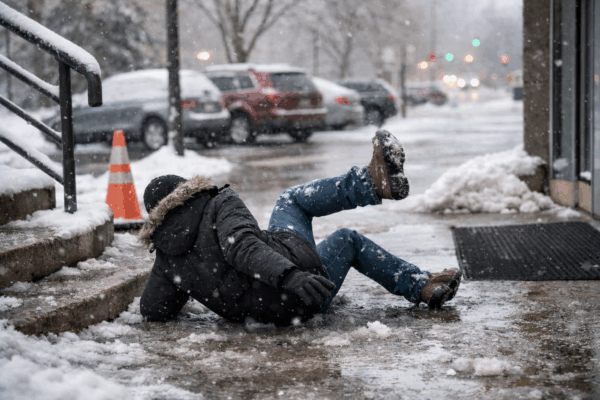
Winter weather conditions can cause a significant uptick in slip-and-fall accidents in Georgia. While this might not be the harshest of winters in the U.S., it still creates conditions that contribute to an increase in these types of personal injury claims. Factors such as, ice, wet floors, the rare snow fall and property neglect all play a role. To better understand why slip-and-fall incidents spike during winter, it’s important to examine the weather patterns, the physical environment, and human behavior during this season.
1. Icy Walkways and Parking Lots
Although snow accumulation is less frequent in Georgia compared to northern states, the threat of ice still looms large. Freezing rain, coupled with Georgia’s occasional snowstorms, creates slippery surfaces that are often undetectable. Even a thin layer of ice, known as “black ice,” can form on sidewalks and parking lots, making surfaces dangerous for pedestrians. People walking to and from their cars or entering stores may not realize how treacherous their path is until it’s too late. This makes icy walkways and parking lots one of the leading causes of winter slip-and-fall accidents.
2. Wet Floors Indoors
Indoor slip-and-fall incidents become more common as people track in rain, snow, and ice on their shoes. Retail stores, office buildings, and other public spaces often face challenges keeping their floors dry during inclement weather. The wetness from shoes, boots, or umbrellas creates puddles inside entryways and hallways, turning otherwise safe areas into slip-prone zones. Business owners are legally required to address these wet conditions and prevent accidents, but many are unprepared or negligent in maintaining a dry, safe environment.
Attorney At Law Attorney At Law Attorney At Law
Adam Princenthal

David May

Matthew Wilson
3. Reduced Visibility and Shorter Daylight Hours
Winter in Georgia also brings shorter days and longer nights, reducing the amount of natural light available. Many slip-and-fall accidents occur when people cannot clearly see icy spots or puddles that would have been more visible during daylight hours. Reduced visibility at dusk or early evening can make walking in parking lots or along streets more dangerous. People are more likely to miss warning signs of potential hazards, such as wet floor signs or icy patches on sidewalks.
4. The Physical Strain of Winter Weather
Colder temperatures, along with wet and icy conditions, require individuals to adjust their walking habits. People tend to walk more cautiously during winter months, but this change in movement can create other hazards. For example, when people walk slowly and carefully over icy surfaces, they may lose their balance more easily or fail to react quickly enough to avoid falls. Additionally, certain medical conditions, such as arthritis or balance problems, may be aggravated by the cold, making it harder for individuals to stay steady on their feet.
5. Increased Traffic and Holiday Travel
Winter in Georgia coincides with the holiday season, a time when people are out shopping, visiting family, and traveling. As foot traffic increases, so does the likelihood of accidents. Busy holiday shoppers can be more distracted while navigating slippery sidewalks or indoor areas. With more people congregating in public spaces, the chances of someone slipping and causing injury also rise. Moreover, individuals rushing to get in or out of buildings may overlook safety precautions, further contributing to the risk.
How to Prevent Winter Slip-and-Fall Accidents
Taking proactive measures to reduce the risk of winter slip-and-fall accidents is crucial, both for individuals and for property owners. Understanding these preventive actions can help mitigate the chances of an injury.
After a car accident, I contacted David May at the Lagrange office. He, and his staff, helped me with medical advice and follow up doctors visits, along with dealing with my insurance and the insurance of the woman that hit me. I have been very pleased with the service I received from David May and the Lagrange staff. They are warm and open, always there to help with advice and answer questions.” - Debau I highly recommend Adam Princenthal .I was looking for someone with years of experience in personal injury.They needed to be knowledgeable, transparent and honest.I wanted to know I was dealing directly with the lawyer I hired.Adam Princenthal could answer all the difficult questions and phone calls were returned.Adam got the settlement I was looking for in a timely manner." - Nancy K. I am glad that I was referred to Princenthal & May. Matthew met with me and gained my trust with the case. I was never left in the dark on any matters, My phone calls were either answered or returned quickly. The office staff are very friendly as well. My case was settled, with both Matthew and Adam present. Both are very professional in their work.. They work for you !!!" - Jacque Minor
For Property Owners and Businesses
Property owners have a responsibility to ensure that their premises are safe for visitors, particularly during winter months. Georgia law requires that businesses and property owners maintain reasonably safe conditions for those entering their premises. Neglecting this duty can lead to costly lawsuits and injury claims.
- Shovel Snow and Apply Salt: After a snowstorm or freezing rain, it’s important to promptly clear sidewalks, driveways, and parking lots. Using ice melt or sand can provide traction and prevent accidents. Property owners should ensure these areas are treated before people start walking.
- Place Absorbent Mats: Entryways should have absorbent mats or rugs to prevent water and snow from being tracked inside. This helps minimize the amount of wet floors and reduces the risk of slips. Businesses should also keep the mats clean and dry to ensure their effectiveness.
- Clear Signage: Wet floor signs should be strategically placed in areas where floors may be slippery, especially inside buildings or stores. Temporary mats or caution tape can be used to warn people of hazards, such as wet spots near entrances.
- Regular Inspections and Maintenance: Property owners should regularly inspect their walkways, staircases, and floors for damage or potential hazards. Cracked tiles, damaged steps, or broken lighting can increase the risk of falls and should be repaired promptly.
Hiring a Personal Injury Attorney How Long Will a Personal Injury Case Take?Related Videos
For Individuals
Taking personal precautions is essential in avoiding slip-and-fall accidents, particularly during the winter season.
- Wear Proper Footwear: Choose shoes or boots with non-slip soles to prevent slipping on icy or wet surfaces. Avoid high heels or smooth-soled shoes, which provide less traction.
- Walk Slowly and Cautiously: It’s important to walk with caution on slippery surfaces. Slowing down and paying attention to the ground beneath you can help prevent falls.
- Avoid Rush: If possible, avoid rushing when walking on icy surfaces. Take your time when entering or exiting buildings and parking lots, as the increased pace can contribute to missteps.
Representative Cases
What to Do If You’ve Been Injured in a Slip-and-Fall Accident
If you’ve been injured in a slip-and-fall accident during the winter, it’s important to take immediate action. Documenting the incident, seeking medical attention, and consulting with a lawyer can help protect your rights.
- Seek Medical Attention: Even if the injury seems minor, it’s crucial to visit a doctor as soon as possible. Some injuries, such as concussions or fractures, may not be immediately apparent.
- Document the Scene: If possible, take pictures of the area where the accident occurred. Photographs of ice, snow, or wet floors can serve as key evidence in your case.
- Report the Incident: Notify the property owner or business about the slip-and-fall incident. They should have an official report made of the event, which can be valuable for your case.
- Contact a Personal Injury Lawyer: Consulting with an attorney who specializes in slip-and-fall accidents, such as the experienced team at Princenthal, May & Wilson LLC, can help you navigate the legal process. A lawyer can help you understand your rights, negotiate with insurance companies, and pursue compensation for medical bills, lost wages, and pain and suffering.
The Legal Aspects of Slip-and-Fall Claims in Georgia
In Georgia, property owners must maintain safe premises for those who visit their property. If an injury occurs due to neglect—such as failure to salt walkways or remove ice from entrances—the property owner may be liable for any injuries sustained. Georgia follows a comparative fault system, meaning that if the injured party is found partially at fault for the incident, their compensation may be reduced in proportion to their percentage of fault.
It’s essential to understand the statute of limitations for filing a personal injury claim in Georgia. Generally, individuals have two years from the date of the accident to file a claim for compensation. If you miss this deadline, you may lose your right to pursue legal action.
If you’ve experienced a slip-and-fall accident this winter, don’t hesitate to contact Princenthal, May & Wilson LLC. Our experienced personal injury attorneys are here to provide guidance, help you understand your legal rights, and work tirelessly to ensure you receive the compensation you deserve. Reach out to us today to schedule a free consultation.
To learn more about this subject click here: Understanding Georgia Slip and Fall Laws: A Comprehensive Guide