
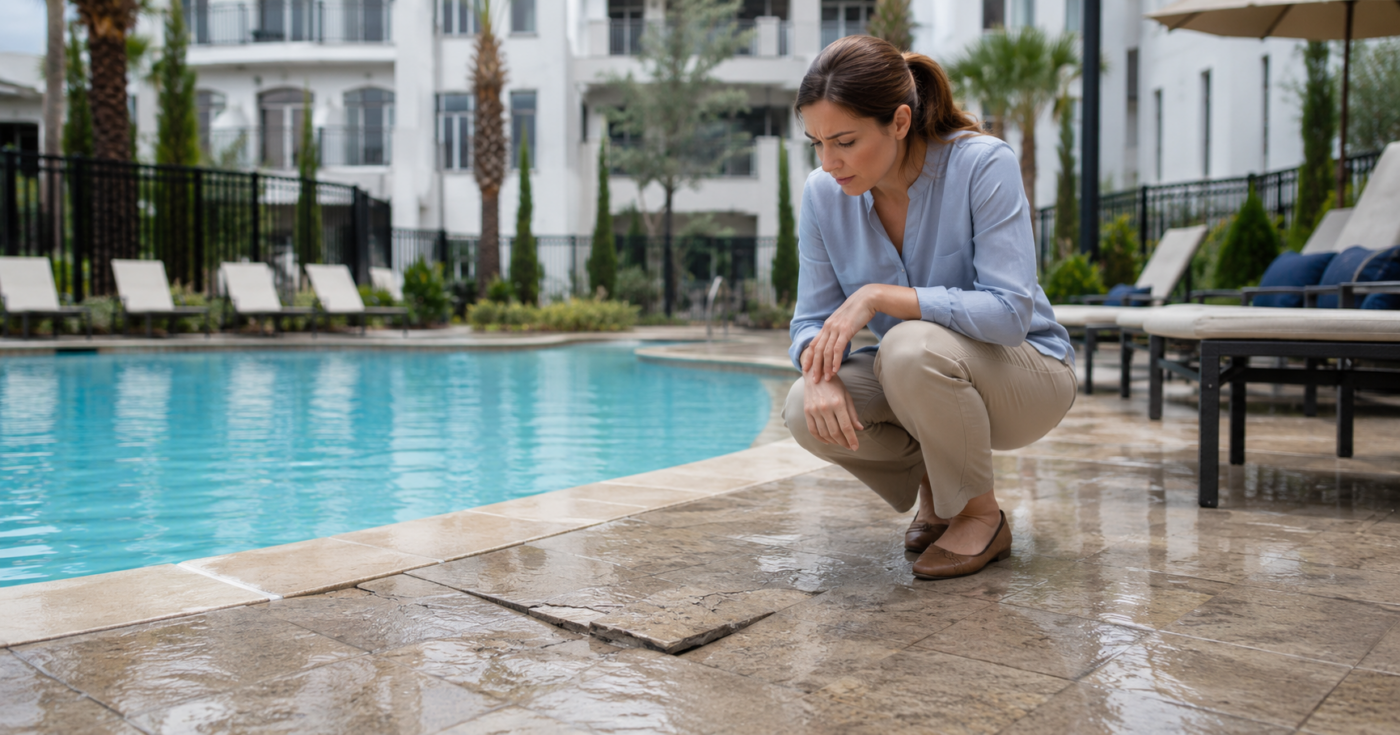
If you have been injured in a hotel or apartment pool in Georgia due to unsafe conditions, Princenthal, May & Wilson LLC can help you understand your legal rights and potential avenues for recovery. Pool-related injuries can result from a variety of hazards, including slippery surfaces, poorly maintained equipment, chemical exposure, and insufficient warning signage. Georgia law recognizes that property owners have a legal duty to ensure their premises are reasonably safe for visitors, including guests, tenants, and invitees. When this duty is breached, victims may pursue compensation for medical expenses, lost wages, pain and suffering, and other damages. Knowing who can be held responsible and what evidence is required to support a claim is crucial for protecting your legal rights.

Premises Liability and Georgia Law 
In Georgia, premises liability laws require property owners to exercise reasonable care to prevent harm to individuals on their property. Pools are considered inherently dangerous areas because of the combination of water, wet surfaces, and varying depths. Owners must take proactive steps to maintain safety, including ensuring proper maintenance of pool structures, chemical levels, filtration systems, and supervision protocols. Failing to correct known hazards or to warn guests about potential dangers can establish grounds for liability. Legal responsibility may extend to both owners and operators, including hotel management, apartment complex management, and third-party contractors who provide pool maintenance services.
Potential Responsible Parties
When determining liability, it is important to identify all parties who may share responsibility for unsafe pool conditions:
- Property Owners: The owners of hotels, resorts, or apartment complexes are primarily responsible for the overall condition of the pool. If structural defects, slippery surfaces, or missing safety barriers contribute to an injury, the owner may be liable.
- Management Companies: Some properties contract with management firms to oversee pool safety and maintenance. If these firms neglect inspections or fail to address hazards, they can be held accountable.
- Maintenance Contractors: Companies hired to maintain pools, including chemical balancing and cleaning, may bear responsibility if their actions—or lack thereof—contributed to the unsafe condition.
- Staff and Lifeguards: Pool attendants and lifeguards may share liability if they fail to supervise swimmers, enforce rules, or respond appropriately to emergencies.
Attorney At Law Attorney At Law Attorney At Law
Adam Princenthal

David May

Matthew Wilson
Common Types of Pool Injuries
Injuries sustained in unsafe pool conditions can vary widely in severity and impact:
- Slip-and-Fall Injuries: Wet, slick surfaces around pools can cause fractures, head injuries, or sprains. Missing warning signs or mats increases risk.
- Drowning or Near-Drowning: Lack of barriers, fencing, or lifeguard supervision may lead to tragic outcomes, including fatalities.
- Chemical Exposure: Improperly stored or applied pool chemicals can cause skin irritation, burns, respiratory problems, or eye damage.
- Diving Injuries: Shallow pools or uneven depths can result in spinal injuries or paralysis if users dive in without clear warning.
Steps to Take After a Pool Injury
If you sustain an injury at a pool in Georgia, timely and careful action is critical to preserving your rights:
- Seek Immediate Medical Attention: Obtain professional care for any injuries. Medical documentation is essential for legal claims.
- Notify Property Management: Report the incident to hotel or apartment staff and request an incident report. Written documentation is ideal.
- Preserve Evidence: Photograph the pool area, warning signs, and any defects. Collect witness statements whenever possible.
- Consult a Personal Injury Attorney: Legal guidance from a Georgia attorney can help identify liable parties, gather evidence, and pursue compensation.
After a car accident, I contacted David May at the Lagrange office. He, and his staff, helped me with medical advice and follow up doctors visits, along with dealing with my insurance and the insurance of the woman that hit me. I have been very pleased with the service I received from David May and the Lagrange staff. They are warm and open, always there to help with advice and answer questions.” - Debau I highly recommend Adam Princenthal .I was looking for someone with years of experience in personal injury.They needed to be knowledgeable, transparent and honest.I wanted to know I was dealing directly with the lawyer I hired.Adam Princenthal could answer all the difficult questions and phone calls were returned.Adam got the settlement I was looking for in a timely manner." - Nancy K. I am glad that I was referred to Princenthal & May. Matthew met with me and gained my trust with the case. I was never left in the dark on any matters, My phone calls were either answered or returned quickly. The office staff are very friendly as well. My case was settled, with both Matthew and Adam present. Both are very professional in their work.. They work for you !!!" - Jacque Minor
Comparative Fault and Legal Considerations
Georgia follows a comparative fault system, which means damages may be reduced if your actions contributed to the accident. For example, ignoring posted warning signs or swimming in restricted areas could diminish your recovery proportionally. Understanding comparative fault is important when assessing potential compensation. Additionally, Georgia imposes a two-year statute of limitations for filing premises liability claims, which underscores the importance of acting promptly.
How an Experienced Attorney Can Support You
A skilled attorney from Princenthal, May & Wilson LLC can provide comprehensive assistance, including:
- Conducting a detailed investigation to determine all responsible parties
- Collecting evidence such as maintenance logs, photographs, and witness statements
- Communicating with insurance companies to protect your rights
- Negotiating settlements or representing you in court when necessary
Case Examples and Real-World Scenarios
- Hotel Slip-and-Fall: A guest slipped on a wet pool deck without warning signs and suffered a wrist fracture. Liability was established due to inadequate safety precautions.
- Apartment Pool Drowning: A child drowned in an unsupervised pool lacking a secure fence. Both the property owner and management company were found negligent.
- Chemical Injury: An improperly balanced pool caused severe skin irritation. Maintenance contractors were found partially responsible for failing to follow safety protocols.
Hiring a Personal Injury Attorney How Long Will a Personal Injury Case Take?Related Videos
Preventative Measures for Pool Safety
Property owners and managers in Georgia can reduce liability risks by:
- Installing and maintaining fencing, gates, and warning signage around pools
- Ensuring proper supervision through lifeguards or trained staff
- Keeping pool surfaces clean and free of hazards
- Regularly checking water quality, chemical levels, and filtration systems
- Educating guests about pool rules and enforcing compliance consistently
The Importance of Documentation
Thorough documentation is a cornerstone of any successful claim. Keeping detailed records of your injuries, medical treatments, and communications with property management strengthens your case. Photographs of the pool area, equipment, and warning signs provide critical evidence of negligence or unsafe conditions. Witness statements can corroborate your account and may be instrumental in establishing liability.
Navigating Insurance and Settlements
Insurance companies representing hotels, apartment complexes, or contractors often seek to minimize payouts. Legal counsel can ensure your rights are protected during settlement negotiations. An attorney can help quantify damages, including medical expenses, lost wages, and emotional distress, ensuring fair compensation.
Unsafe pool conditions in Georgia can lead to serious injuries, but legal recourse is available. Liability may extend to property owners, management companies, maintenance contractors, and staff. If you or a loved one has been harmed, contacting Princenthal, May & Wilson LLC promptly ensures that your case is investigated thoroughly and that all responsible parties are identified. By taking timely action and working with experienced legal professionals, you can pursue compensation to recover medical costs, lost wages, and other damages while holding negligent parties accountable.
Disclaimer: This content is for informational purposes only and is not legal advice. Consult a Georgia attorney about your specific situation.
To learn more about this subject click here: Premises Liability: What It Means for Your Georgia Slip and Fall Case