
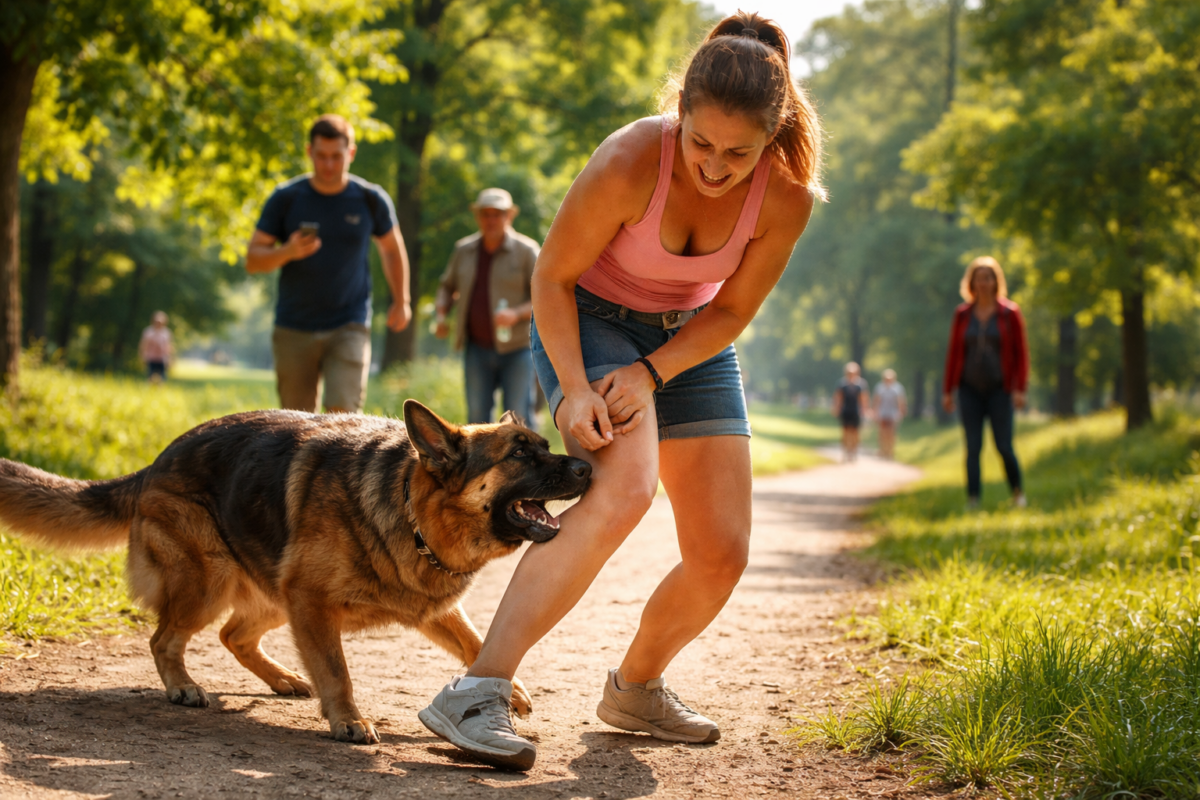
Dog bites at Georgia parks and trails can result in serious injuries, medical bills, lost wages, and emotional distress. Princenthal, May & Wilson, LLC assists victims in navigating the complex legal landscape surrounding these incidents. Determining liability when the dog owner is not immediately present involves careful analysis of Georgia laws, comparative fault, and possible municipal responsibilities. Victims need to understand who may be held accountable and how to preserve their rights for maximum recovery.
Understanding Georgia Dog Bite Laws 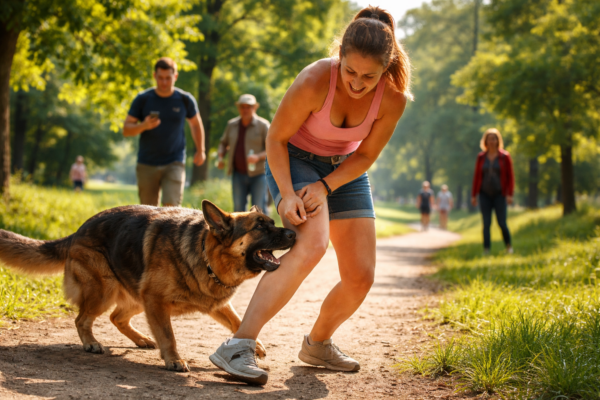
Georgia law establishes clear responsibilities for dog owners, but the specifics can vary depending on the circumstances. Georgia Code § 51-2-7 outlines that a dog owner may be held liable if their dog bites someone in a public place or lawfully on private property. Liability can arise even if the dog has no prior history of aggression. Key factors include the dog’s location, whether it was under control, and the actions of the victim. In Georgia, victims must prove the bite caused physical injury or emotional harm, as well as any associated financial losses.
Strict liability applies in certain situations, meaning the owner could be responsible regardless of precautionary measures. However, when the dog owner is not nearby, proving liability often requires demonstrating negligence, lack of control, or knowledge of the dog’s propensity to bite. Understanding the nuances of Georgia law is critical for victims seeking compensation for medical treatment, lost income, or permanent injuries.
Liability When the Owner Isn’t Present
Dog bites occurring in public parks or trails often involve uncertainty about the owner’s presence. Liability may extend to multiple parties depending on evidence and circumstances. The primary responsible party is usually the dog’s owner, who may be deemed negligent if they allowed the dog to roam freely, ignored leash laws, or left the animal with an unqualified caretaker. Secondary parties could include temporary caretakers, dog walkers, or even friends and neighbors who were in charge of the dog at the time.
Attorney At Law Attorney At Law Attorney At Law
Adam Princenthal

David May

Matthew Wilson
In limited situations, municipalities or park authorities may bear some responsibility if they fail to maintain safe conditions or enforce leash ordinances. For instance, unclear signage about leash requirements or inadequate patrols may increase risk and contribute to liability. Each case requires careful investigation to determine which parties are legally responsible for damages caused by the dog bite.
Proving Negligence or Responsibility
Victims should take immediate steps to establish liability, especially when the owner isn’t present. Collecting evidence is crucial. This includes photographing injuries, documenting the scene, and gathering witness statements from other park or trail users. Reporting the bite to local animal control or law enforcement ensures an official record is created. Medical records also serve as important proof of the extent and nature of injuries sustained.
An attorney experienced in Georgia dog bite cases can analyze the situation, determine all potentially liable parties, and advise on legal strategies. They can guide victims on interactions with insurance companies and ensure that critical evidence is preserved to support claims for medical costs, lost wages, pain, and suffering.
After a car accident, I contacted David May at the Lagrange office. He, and his staff, helped me with medical advice and follow up doctors visits, along with dealing with my insurance and the insurance of the woman that hit me. I have been very pleased with the service I received from David May and the Lagrange staff. They are warm and open, always there to help with advice and answer questions.” - Debau I highly recommend Adam Princenthal .I was looking for someone with years of experience in personal injury.They needed to be knowledgeable, transparent and honest.I wanted to know I was dealing directly with the lawyer I hired.Adam Princenthal could answer all the difficult questions and phone calls were returned.Adam got the settlement I was looking for in a timely manner." - Nancy K. I am glad that I was referred to Princenthal & May. Matthew met with me and gained my trust with the case. I was never left in the dark on any matters, My phone calls were either answered or returned quickly. The office staff are very friendly as well. My case was settled, with both Matthew and Adam present. Both are very professional in their work.. They work for you !!!" - Jacque Minor
Comparative Fault in Georgia
Georgia follows a comparative fault system, which may reduce a victim’s recovery if they contributed to the incident. For example, if a person approached, provoked, or teased a dog, their damages award may be reduced proportionally. Ignoring posted leash laws or entering areas known to be high-risk for off-leash dogs could also impact compensation. Understanding comparative fault principles is vital to assessing potential recovery in cases where liability is shared or disputed.
Insurance Coverage and Compensation
Many dog bite claims involve insurance coverage. Homeowners, renters, or pet liability policies may cover medical expenses, rehabilitation costs, lost income, and other damages. If the dog owner is uninsured or cannot be identified, claims might extend to temporary caretakers or municipal entities under certain circumstances. Consulting an attorney can clarify potential recovery avenues and ensure victims pursue all available compensation sources.
Steps to Take After a Dog Bite at a Georgia Park or Trail
- Seek Medical Attention Immediately: Document injuries and ensure proper treatment.
- Preserve Evidence: Take photographs of injuries, clothing, and the location. Retain any correspondence related to the bite.
- Report the Incident: Notify animal control and/or law enforcement to create an official record.
- Avoid Admitting Fault: Do not make statements to the dog owner or insurance representatives that could compromise your claim.
- Contact a Georgia Personal Injury Attorney: Experienced attorneys can assess liability, guide negotiations, and pursue maximum recovery.
Hiring a Personal Injury Attorney How Long Will a Personal Injury Case Take?Related Videos
How Princenthal, May & Wilson, LLC Can Assist
Our attorneys conduct thorough investigations of dog bite incidents, identify all potentially liable parties, and negotiate with insurance providers to secure fair compensation. When necessary, we can file lawsuits to recover damages and guide victims through Georgia’s legal system. Our experience ensures that clients understand their rights and have the strongest possible representation in pursuing claims for medical expenses, lost wages, pain, suffering, and emotional distress.
Real-Life Example
A hiker in Sandy Springs, Georgia, was bitten by a dog on a local trail. The owner was absent, and the city had minimal signage about leash laws. Our attorneys evaluated whether liability rested with the dog owner, the municipal authority, or a caretaker. Through careful investigation and negotiation, we secured compensation covering medical bills, lost income, and therapy costs, illustrating the importance of legal guidance in complex scenarios.
Preventing Future Incidents
While victims focus on recovery, understanding preventive measures is important. Georgia parks often require leash enforcement, and adhering to these rules reduces the likelihood of dog bites. Reporting aggressive dogs, maintaining awareness of posted rules, and supervising children can help prevent future injuries. Municipalities and park authorities are also increasingly enforcing leash regulations to protect visitors.
Protecting Your Rights
Dog bites can have lasting physical and emotional impacts. Victims should act promptly to preserve their rights. Consulting an attorney early ensures evidence is collected correctly, all liable parties are identified, and insurance claims are handled effectively. Avoid making statements that might imply fault, and focus on documenting the incident thoroughly. Legal guidance is essential for navigating liability questions, especially when the dog owner is not immediately present.
If you or a loved one has been injured by a dog at a Georgia park or trail, reach out to Princenthal, May & Wilson, LLC for a free consultation. Our experienced attorneys are familiar with Georgia dog bite laws, can identify all potentially liable parties, and will guide you through recovery options to protect your legal rights and pursue full compensation.
Disclaimer
This content is for informational purposes only and does not constitute legal advice. Consult a licensed attorney regarding your specific situation.
To learn more about this subject click here: What to Do If a Dog Bite Occurs at a Georgia Park or Public Space