
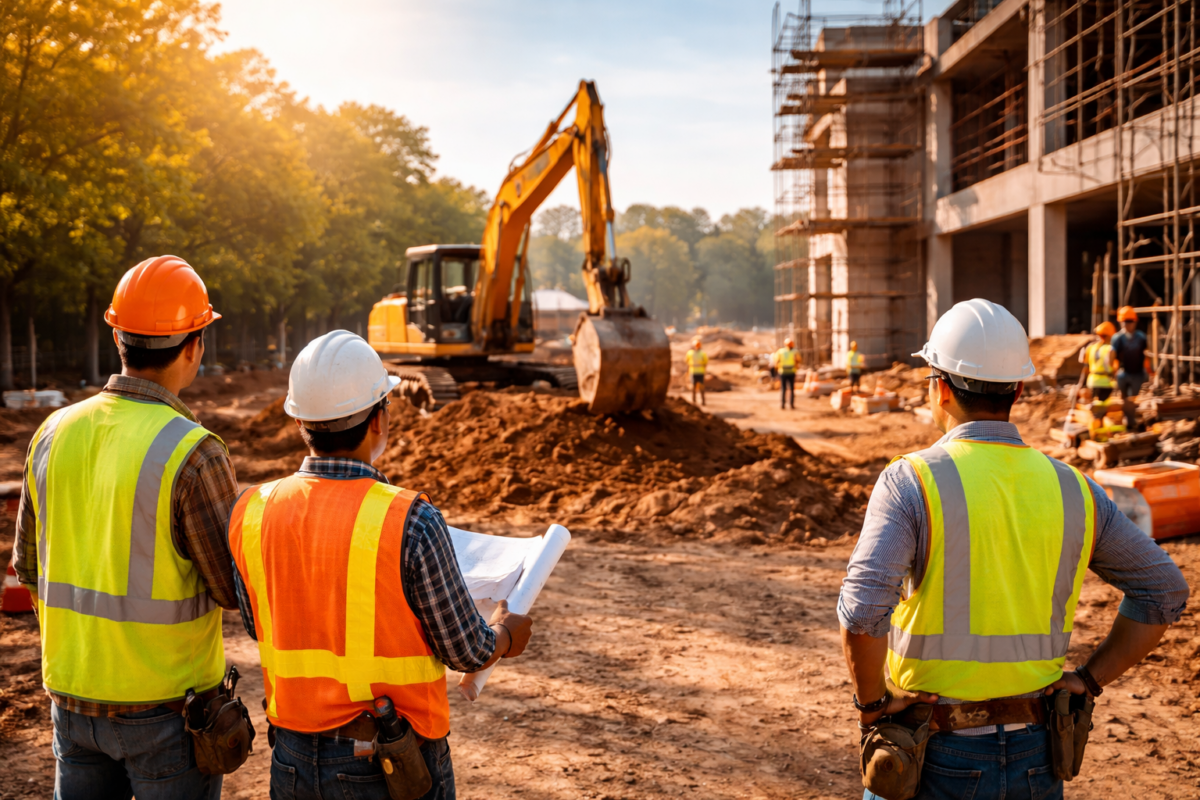
Construction season in Georgia brings a surge of activity across commercial, residential, and public works projects. With this increased activity comes heightened risk for workers, subcontractors, and bystanders alike. Princenthal, May & Wilson, LLC frequently assist clients who have suffered injuries due to unsafe conditions or negligent third-party contractors. Understanding liability in these scenarios is critical, as determining responsibility can be complex when multiple parties are involved, including general contractors, subcontractors, independent vendors, and equipment operators.


Identifying Third-Party Responsibility 
Construction projects are rarely managed by a single entity. Multiple contractors and subcontractors may be working simultaneously on different aspects of a project. When an injury occurs, liability may extend beyond the employer if a third-party contractor’s negligence directly contributed to the harm. Common examples include machinery operated unsafely by a subcontractor, scaffolding installed incorrectly by an outside vendor, or defective tools provided by an independent supplier. Recognizing the signs of negligence is essential to holding the proper party accountable. These signs may include failure to follow OSHA regulations, ignored safety protocols, equipment malfunctions due to poor maintenance, or inadequate supervision of subcontracted teams.
Georgia Law and Comparative Fault Considerations
Under Georgia law, comparative fault rules apply. This means that an injured worker or bystander may still recover damages even if they share some responsibility for the incident. Third-party claims are distinct from workers’ compensation claims and may allow for recovery of damages not available through an employer’s insurance, including medical expenses exceeding workers’ compensation limits, lost wages, reduced earning capacity, pain and suffering, emotional distress, and long-term disability or disfigurement. An experienced attorney can evaluate the extent to which third-party contractors may be liable and guide clients in pursuing compensation beyond what workers’ compensation may cover.
Attorney At Law Attorney At Law Attorney At Law
Adam Princenthal

David May

Matthew Wilson
Documenting Evidence After a Construction Injury
Acting promptly is essential after a construction injury. Seek medical attention immediately to ensure injuries are properly documented. Notify your employer and request a detailed incident report. Collect evidence from the scene, including photographs of the workspace, defective equipment, or unsafe conditions. Witness statements can be invaluable; identify all individuals who observed the accident and gather their contact information. Avoid giving recorded statements to insurance adjusters or contractors without legal counsel, as these statements can impact potential claims.
Pursuing Compensation Through Third-Party Claims
Third-party claims offer a pathway to recover compensation that workers’ compensation alone may not provide. Attorneys can investigate accidents thoroughly, identify liable parties, gather evidence, and negotiate with insurers or the contractors themselves. Litigation may be necessary in more complex cases, such as when multiple parties share liability or when insurers dispute the claim. Legal representation ensures that injured parties can pursue the full extent of damages to cover ongoing medical costs, rehabilitation, lost income, and non-economic losses like pain and suffering.
Common Third-Party Construction Accident Scenarios
Several common scenarios in Georgia illustrate how third-party liability may arise:
- Crane and heavy machinery accidents caused by errors of a subcontractor.
- Scaffold collapses due to faulty installation or maintenance performed by a vendor.
- Falls from elevated platforms where safety harnesses or railings were improperly secured by a third-party team.
- Injuries resulting from defective tools or materials supplied by external contractors.
The Role of Attorneys in Construction Injury Cases
Lawyers with experience in Georgia construction injury cases play a crucial role in securing compensation for victims. Princenthal, May & Wilson, LLC assist clients by clearly explaining legal rights, documenting liability, preserving evidence, calculating fair compensation, negotiating with insurers, and representing clients in court if necessary. Attorneys ensure that procedural deadlines are met and that claims are not compromised by missed filings or missteps in the legal process.
After a car accident, I contacted David May at the Lagrange office. He, and his staff, helped me with medical advice and follow up doctors visits, along with dealing with my insurance and the insurance of the woman that hit me. I have been very pleased with the service I received from David May and the Lagrange staff. They are warm and open, always there to help with advice and answer questions.” - Debau I highly recommend Adam Princenthal .I was looking for someone with years of experience in personal injury.They needed to be knowledgeable, transparent and honest.I wanted to know I was dealing directly with the lawyer I hired.Adam Princenthal could answer all the difficult questions and phone calls were returned.Adam got the settlement I was looking for in a timely manner." - Nancy K. I am glad that I was referred to Princenthal & May. Matthew met with me and gained my trust with the case. I was never left in the dark on any matters, My phone calls were either answered or returned quickly. The office staff are very friendly as well. My case was settled, with both Matthew and Adam present. Both are very professional in their work.. They work for you !!!" - Jacque Minor
Case Examples and Precedents
Consider a Georgia worker who suffered a severe fall due to improperly installed scaffolding by a subcontractor. Workers’ compensation covered immediate medical treatment, but a third-party claim pursued additional damages for lost wages, rehabilitation, and long-term care. In another instance, a delivery driver was struck by a forklift operated by a third-party contractor. Legal action led to compensation for permanent disability and ongoing medical expenses, highlighting the importance of pursuing claims beyond employer-provided coverage.
Preventing Construction Injuries
Prevention is essential in minimizing accidents on construction sites. Best practices include enforcing safety training for all workers, ensuring third-party contractors comply with OSHA and local regulations, performing routine inspections of equipment, and maintaining clear lines of communication between general contractors and subcontractors. Adhering to these measures can reduce the risk of injury and establish stronger grounds for liability if negligence occurs.
Spring construction season in Georgia introduces unique hazards that can result in serious injury. Third-party contractors may bear responsibility for these incidents, providing an opportunity for injured parties to recover damages beyond what is available through workers’ compensation. Princenthal, May & Wilson, LLC provide guidance and representation to ensure that clients understand their rights and pursue appropriate compensation. Consulting with knowledgeable personal injury attorneys as soon as possible is essential for protecting legal interests and maximizing recovery.
Hiring a Personal Injury Attorney How Long Will a Personal Injury Case Take?Related Videos
Speak With a Trusted Georgia Attorney Today
If you or a loved one has been injured in a construction accident in Georgia, contact Princenthal, May & Wilson, LLC. Our team helps clients navigate third-party claims, negotiate with insurers, and pursue full compensation for injuries and damages. Schedule a confidential consultation today to protect your rights and secure the support you need.
This information is provided for general knowledge and is not legal advice. Always consult a qualified attorney regarding your specific situation.
To learn more about this subject click here: Understanding the Basics of Georgia Construction Accident Cases