
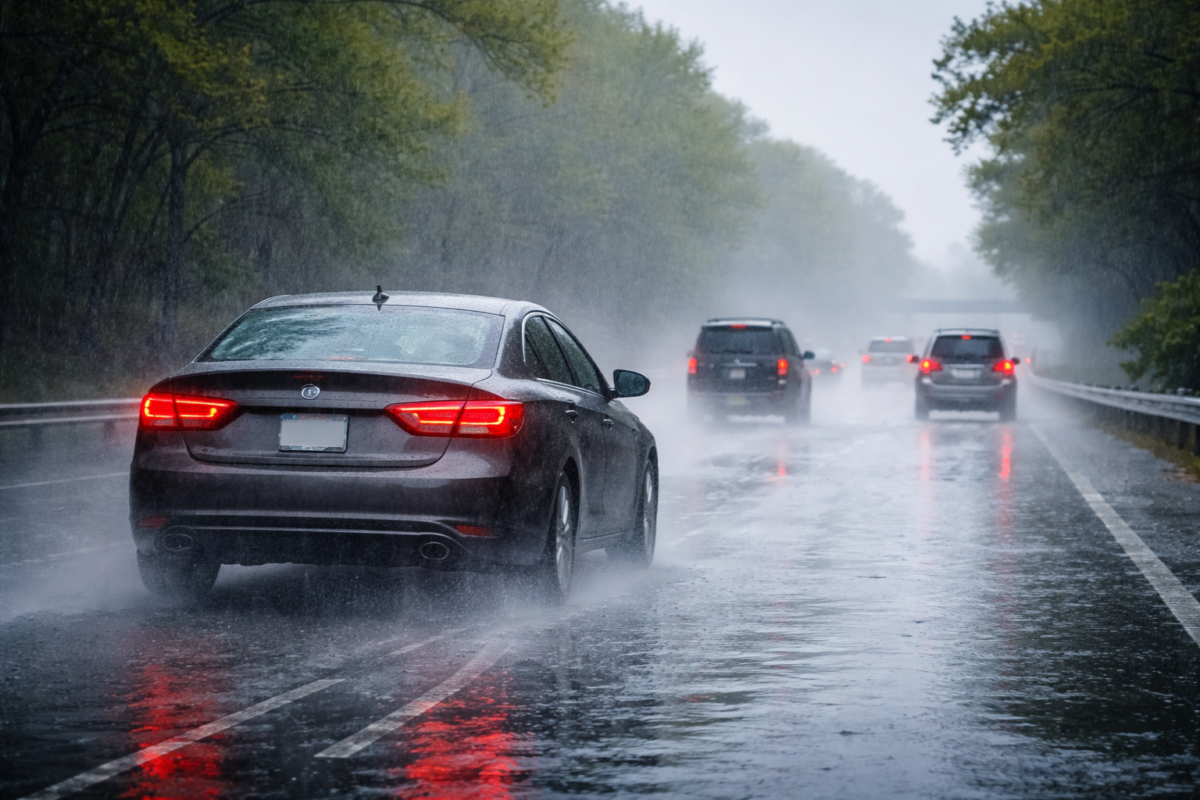
March in Georgia is notorious for unpredictable weather, and it’s no surprise that this can make driving conditions perilous. The early spring rains, combined with fluctuating temperatures, create a perfect storm of hazardous conditions for drivers. For residents of Georgia, this month marks an increase in both accidents and injuries caused by wet roads, low visibility, and an increase in flooding risk. At Princenthal, May & Wilson LLC, we understand the challenges that come with driving in these conditions, and we want to highlight why March is such a dangerous month for car accidents in Georgia and provide tips for safer driving during this time.



The Unpredictable Nature of March Weather in Georgia 
The first factor that contributes to the heightened risk of accidents in March is the state’s volatile weather patterns. While Georgia is known for its warm climate, the early spring season can be particularly unstable, with temperatures swinging dramatically from day to day. One moment, the sun is shining and the roads are dry, and the next, heavy rainstorms or even thunderstorms roll in unexpectedly. These sudden weather changes can catch drivers off guard, especially those who are not prepared for the shift in road conditions.
These fluctuations also bring a variety of challenges for drivers. For example, roads that were once dry and clear can become wet and slippery within minutes. The mix of rainwater with dirt and oil on the surface creates dangerous driving conditions, particularly for vehicles with worn tires or those traveling at higher speeds.
Additionally, Georgia drivers often face a psychological challenge: many people are still getting used to driving after months of cold weather or more stable winter conditions. It’s easy to forget how to adjust to slick, wet roads when the conditions suddenly change, especially if the rain catches you off guard while you’re on the road.
Attorney At Law Attorney At Law Attorney At Law
Adam Princenthal

David May

Matthew Wilson
Slick Road Conditions: Hydroplaning and Reduced Traction
One of the most dangerous outcomes of the spring rains in Georgia is hydroplaning, which occurs when a vehicle’s tires lose traction with the wet road surface. This is a particularly significant hazard because it can happen unexpectedly, leaving the driver with very little time to react. In fact, when water builds up on the road faster than the tires can displace it, the car’s tires can completely lose contact with the road, causing the vehicle to skid uncontrollably.
Hydroplaning is more likely to occur at higher speeds and in areas with standing water, which often appears in the aftermath of a heavy rainstorm. Puddles and flooded areas can be especially hazardous, making it important for drivers to reduce their speed, especially on highways or rural roads where water can accumulate quickly.
Drivers who fail to reduce speed in these conditions might find themselves losing control of their vehicle, leading to serious accidents. Whether it’s an accident caused by sliding into another vehicle or losing control and veering off the road entirely, the dangers of slick roads cannot be underestimated.
The Impact of Reduced Visibility
Visibility is another critical factor in the increased car accident risk during Georgia’s March rains. When heavy rain, fog, or mist sets in, drivers often experience significantly reduced visibility. It becomes more difficult to see other cars, traffic signs, and road conditions clearly. Foggy conditions, common in early spring, add an extra layer of complexity. In many instances, drivers may not be able to spot other vehicles until it’s too late.
To reduce the risk of accidents due to poor visibility, drivers should ensure their headlights are on, even during daylight hours. In Georgia, it is illegal to drive with only your parking lights on, and using full headlights helps you see and be seen by other drivers.
Moreover, when rain and fog combine, it’s even harder to judge distances. When visibility is reduced to just a few feet ahead, speeding or following too closely can result in collisions because drivers cannot react in time. This is why staying aware of your surroundings and adjusting your driving habits to suit weather conditions is crucial during this time of year.
After a car accident, I contacted David May at the Lagrange office. He, and his staff, helped me with medical advice and follow up doctors visits, along with dealing with my insurance and the insurance of the woman that hit me. I have been very pleased with the service I received from David May and the Lagrange staff. They are warm and open, always there to help with advice and answer questions.” - Debau I highly recommend Adam Princenthal .I was looking for someone with years of experience in personal injury.They needed to be knowledgeable, transparent and honest.I wanted to know I was dealing directly with the lawyer I hired.Adam Princenthal could answer all the difficult questions and phone calls were returned.Adam got the settlement I was looking for in a timely manner." - Nancy K. I am glad that I was referred to Princenthal & May. Matthew met with me and gained my trust with the case. I was never left in the dark on any matters, My phone calls were either answered or returned quickly. The office staff are very friendly as well. My case was settled, with both Matthew and Adam present. Both are very professional in their work.. They work for you !!!" - Jacque Minor
Flooding Risks: Be Cautious of Waterlogged Roads
Flooding poses an increased risk during Georgia’s spring rains, especially in areas with poor drainage systems. Even a few inches of water can be enough to cause a vehicle to lose traction and become stuck. While it’s common to see drivers try to navigate flooded streets, this can be incredibly dangerous and often results in significant property damage or injury.
For drivers, it’s essential to avoid driving through standing water, no matter how shallow it may appear. Floodwaters can be much deeper than they seem, and driving through flooded areas can easily lead to losing control of the car, especially if the current is strong. More importantly, flash floods are unpredictable and can occur quickly, so you should always err on the side of caution.
In addition to the risk of vehicle damage or accidents, floodwaters can conceal other dangers like debris, sharp objects, or washed-out sections of the road. Flash floods can easily turn a drive that seemed safe into a life-threatening situation. Always consider alternative routes if you see signs of flooding or if road closures are indicated.
Hiring a Personal Injury Attorney How Long Will a Personal Injury Case Take?Related Videos
More Drivers on the Road: Increased Risk of Accidents
March also sees an uptick in the number of drivers on the roads due to the start of spring break and outdoor activities. While many people may be eager to enjoy the warmer weather, the increased number of vehicles can exacerbate the risks associated with wet, slippery roads. More vehicles on the road mean more opportunities for accidents, especially if drivers are not adjusting their habits for rainy conditions.
Additionally, Georgia is home to many tourists and out-of-state travelers in the spring, and unfamiliarity with local roads or weather conditions can add to the risk. These drivers may not be as prepared to navigate Georgia’s challenging springtime driving conditions, making it even more important for locals to exercise extra caution and defensive driving.
How to Stay Safe During Early Spring Rains
There are several steps you can take to stay safe while driving in March’s unpredictable weather. Here are a few tips to ensure your safety on the roads:
- Slow Down: Always reduce your speed when driving in rain. This is particularly important if you notice puddles forming on the road or if visibility is poor.
- Maintain Your Vehicle: Make sure your tires, brakes, and windshield wipers are in good condition before hitting the road. These simple maintenance steps can prevent many accidents.
- Keep a Safe Distance: Leave more space than usual between your vehicle and others. Wet conditions require more time to stop, and giving yourself additional space will help prevent rear-end collisions.
- Be Cautious Around Flooded Areas: Don’t attempt to drive through standing water. Even shallow water can be dangerous if you don’t know how deep it is.
- Use Your Headlights: Even if it’s daytime, rain and fog reduce visibility. Using your headlights helps you see and be seen by others.
- Stay Informed: Keep an eye on weather forecasts for sudden rainstorms or potential flooding.
March in Georgia brings a unique set of challenges for drivers, with early spring rains creating hazardous road conditions. From slick roads and reduced visibility to the risk of flooding, Georgia’s drivers need to stay vigilant during this time of year. By adjusting your driving habits, performing vehicle maintenance, and taking proactive steps, you can reduce your chances of being involved in an accident. If you or someone you know is injured in a car accident this spring, contact the experienced attorneys at Princenthal, May & Wilson LLC to help you navigate the legal process and get the compensation you deserve.