
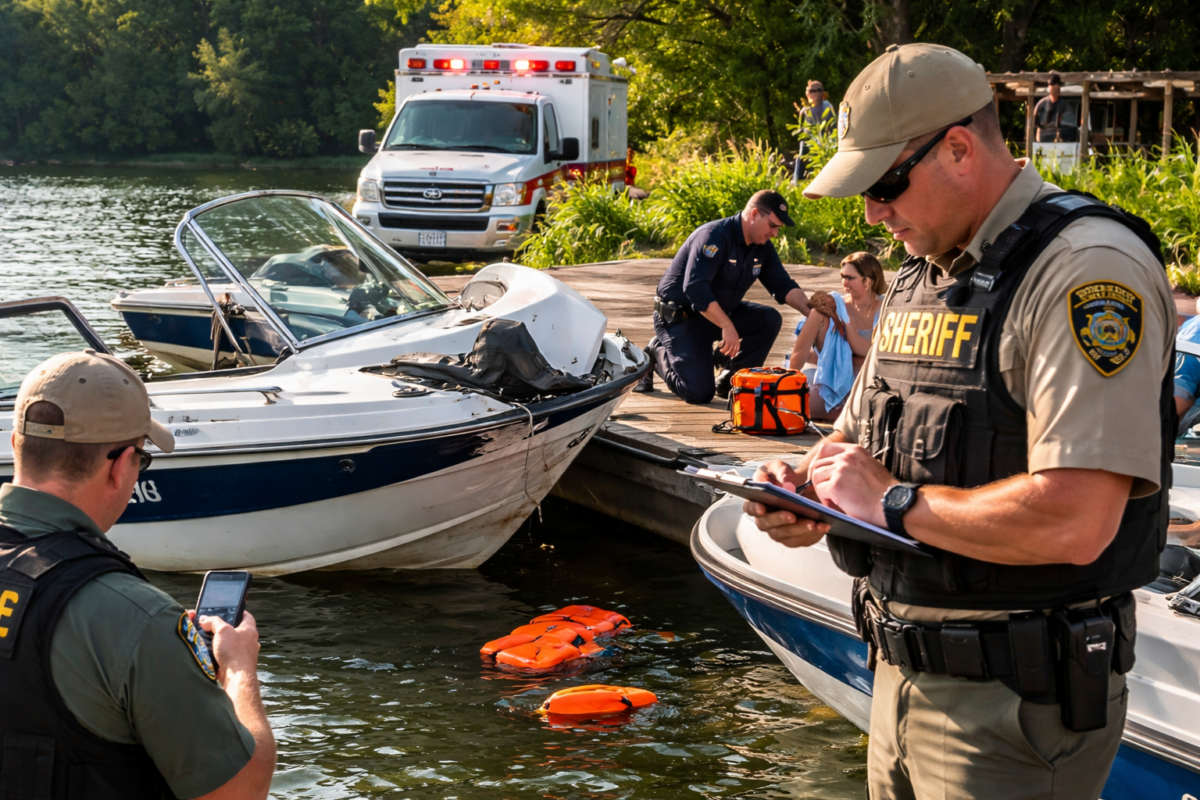
Boating season is back in Georgia, bringing the promise of sunny days on lakes, rivers, and the coast. For many, these outings are relaxing and joyful, but accidents on the water can lead to severe injuries, property damage, and complex legal disputes. Princenthal, May & Wilson LLC frequently represents clients who have been involved in boat accidents, and they emphasize the importance of avoiding common mistakes that can jeopardize compensation or legal rights. Knowing what to do immediately after a boating accident, including understanding Georgia’s boating laws, documenting evidence, and handling insurance interactions carefully, is critical to protecting your interests and ensuring a fair recovery.



Understanding Your Rights After a Georgia Boat Accident 
When a boating accident occurs in Georgia, victims have certain legal rights under state personal injury law. These rights include compensation for medical expenses, lost income, property damage, pain and suffering, and sometimes punitive damages in cases of gross negligence. Georgia applies a comparative fault standard, which means that if you are partly responsible for the accident, your potential compensation may be reduced proportionally. Understanding these laws is essential, as making assumptions about liability or minimizing injuries can result in lost opportunities to recover fully. An experienced Georgia boat accident lawyer can provide guidance immediately, helping to ensure you meet all legal requirements and avoid actions that could harm your claim.
Failing to Seek Timely Medical Attention
One of the most common errors victims make is delaying medical treatment after an accident. Even injuries that initially seem minor, such as sprains, contusions, or minor lacerations, can develop complications over time. Immediate medical documentation not only protects your health but also provides evidence of injury severity and timing, which is crucial for claims. Insurance companies often attempt to argue that injuries were pre-existing or not as serious as claimed, making detailed medical records indispensable. Princenthal, May & Wilson LLC advises all clients to seek medical evaluation promptly, even if symptoms appear minor, as early treatment supports both recovery and legal protection.
Attorney At Law Attorney At Law Attorney At Law
Adam Princenthal

David May

Matthew Wilson
Neglecting Proper Accident Reporting
Georgia law mandates reporting certain boating accidents to authorities, particularly those involving serious injuries, fatalities, or significant property damage. Failing to file the required reports can result in fines and may undermine your ability to pursue a claim. It is important to notify both local law enforcement and, in some cases, the Coast Guard, depending on the location and severity of the accident. Keeping copies of all official reports, and ensuring they accurately reflect the facts of the incident, is a step that can prevent later disputes regarding fault or responsibility.
Communicating Carelessly with Insurance Companies
After a boating accident, insurance companies often reach out quickly. While it may seem harmless to answer questions or provide a statement, giving incomplete or poorly phrased responses can be detrimental. Even casual comments that suggest fault or downplay injuries may be used to reduce a settlement offer or deny claims. Clients should limit communication to basic factual information and always consult a Georgia boat accident lawyer before providing recorded statements or signing any documents. Princenthal, May & Wilson LLC routinely assists clients in handling these communications to ensure they do not unintentionally harm their case.
After a car accident, I contacted David May at the Lagrange office. He, and his staff, helped me with medical advice and follow up doctors visits, along with dealing with my insurance and the insurance of the woman that hit me. I have been very pleased with the service I received from David May and the Lagrange staff. They are warm and open, always there to help with advice and answer questions.” - Debau I highly recommend Adam Princenthal .I was looking for someone with years of experience in personal injury.They needed to be knowledgeable, transparent and honest.I wanted to know I was dealing directly with the lawyer I hired.Adam Princenthal could answer all the difficult questions and phone calls were returned.Adam got the settlement I was looking for in a timely manner." - Nancy K. I am glad that I was referred to Princenthal & May. Matthew met with me and gained my trust with the case. I was never left in the dark on any matters, My phone calls were either answered or returned quickly. The office staff are very friendly as well. My case was settled, with both Matthew and Adam present. Both are very professional in their work.. They work for you !!!" - Jacque Minor
Neglecting Evidence Collection
Proper documentation is essential to establish liability and support your claims. Key pieces of evidence include photographs of damage to boats and property, detailed notes about weather and water conditions, witness statements, and official accident reports. A frequent mistake is discarding damaged equipment or failing to record the names and contact information of witnesses. Documenting everything in writing, including the sequence of events, and taking photos or videos of the accident scene, boat damage, and injuries, can make a significant difference in negotiations or court proceedings. Attorneys from Princenthal, May & Wilson LLC often guide clients in systematically gathering this evidence immediately after an accident.
Missing Deadlines
Statutory deadlines are critical in Georgia. Personal injury claims typically must be filed within two years from the date of the accident. Missing this window usually prevents filing a lawsuit altogether. It is vital to act promptly and consult a legal professional who can ensure all filings occur within required timeframes. Timely legal action preserves your right to recover damages and ensures that all relevant evidence remains available.
Ignoring Boating Safety Regulations
Georgia law establishes specific safety requirements for operating boats, including speed limits, life jacket requirements, and alcohol restrictions. Violating these regulations can contribute to accidents and may be used against you when determining liability. Awareness and compliance with these rules protect both your safety and your legal position. If you were not at fault, documentation showing that you followed safety regulations can strengthen your case.
Hiring a Personal Injury Attorney How Long Will a Personal Injury Case Take?Related Videos
Assuming Minor Injuries Don’t Require Legal Action
Even if injuries seem minor initially, complications can arise weeks or months later. Legal consultation is essential to understand potential long-term consequences and to begin preserving evidence immediately. Attorneys at Princenthal, May & Wilson LLC emphasize that what may appear minor at the moment can later impact your ability to recover damages, especially for ongoing medical treatment or rehabilitation.
How Legal Counsel Supports Victims
Experienced attorneys can handle communications with insurers, conduct thorough accident investigations, and calculate fair compensation for lost wages, medical bills, and pain and suffering. They also ensure all claims meet Georgia’s legal requirements and deadlines. By representing you effectively, an attorney can prevent errors that may reduce compensation or delay resolution. With the guidance of Princenthal, May & Wilson LLC, clients gain the knowledge and confidence to navigate complex claims, allowing them to focus on recovery rather than legal pitfalls.
Documenting Injuries and Lost Wages
A critical part of a successful claim is accurately documenting injuries and any time lost from work. Medical records, physical therapy logs, and employment documentation provide proof of financial impact and personal hardship caused by the accident. In Georgia, detailed records allow attorneys to calculate a realistic settlement or trial demand. Clients often overlook documenting time away from work or ancillary expenses, such as transportation to medical appointments, which can result in lower recovery if not properly recorded.
Witnesses and Expert Testimony
Eyewitness accounts and expert opinions are often decisive in establishing liability. Witness statements should be collected as soon as possible, while memories are fresh. Additionally, expert witnesses, such as accident reconstruction specialists or medical professionals, may be necessary to support claims of negligence or quantify damages. Princenthal, May & Wilson LLC frequently consults with such experts to strengthen cases and ensure all legal avenues for compensation are explored.
Insurance Company Negotiations
Insurance companies may attempt to settle quickly for less than the full value of your claim. Legal counsel ensures that settlement offers are evaluated appropriately and that clients are not pressured into accepting unfair compensation. Attorneys from Princenthal, May & Wilson LLC bring experience and negotiation skills to the table, helping clients achieve settlements that reflect the true impact of the accident on their lives.
Conclusion
Boating accidents in Georgia can be life-altering, and avoiding critical mistakes is essential to protect your rights and maximize compensation. Acting promptly, documenting thoroughly, understanding state boating laws, and consulting an experienced attorney from Princenthal, May & Wilson LLC can make the difference between a reduced claim and full recovery. The waters of Georgia offer enjoyment, but accidents demand attention to legal detail, and professional guidance ensures your interests are safeguarded.
To learn more about this subject click here: What to Do After a Boating Accident in Georgia: A Step-by-Step Guide