

When the winter months arrive, Princenthal, May & Wilson LLC sees firsthand how winter weather conditions impact driving behaviors—and how insurance companies are closely monitoring those behaviors. As the temperature drops and roads become more slippery, certain driving actions can significantly increase the risk of accidents. For drivers in Georgia, where both snow and ice can occasionally disrupt travel, understanding how insurance companies assess winter driving behaviors is essential. These behaviors not only affect your chances of being involved in an accident but also influence the cost of your insurance premiums.



In winter, many factors change. The roads, the weather, and even the mindset of drivers can shift dramatically, leading to altered behaviors that could impact your driving safety. Insurance companies, ever vigilant about risk, observe specific patterns that could lead to accidents during the winter months. By understanding these behaviors, you can take proactive steps to reduce your risk and ensure your premiums don’t skyrocket due to bad habits.
Below are several critical driving behaviors insurance companies track during winter driving. These behaviors can be the difference between a safe winter commute and a costly, hazardous incident. Let’s dive into the most important ones.
1. Speeding and Driving Too Fast for Conditions 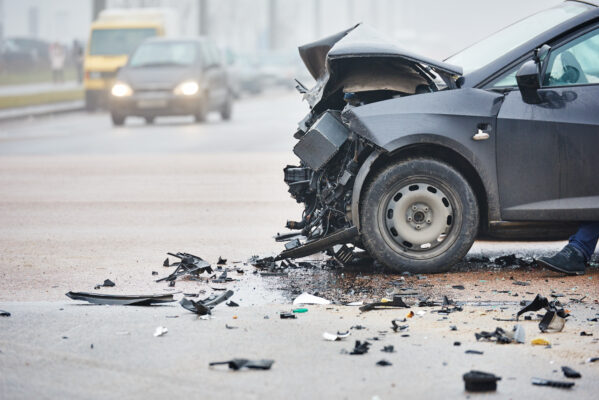
One of the most common winter driving mistakes—and one that insurance companies monitor closely—is speeding. Even though it may seem tempting to drive at normal speeds, the reality is that icy, or even wet roads can make it difficult for a vehicle to stop quickly. Whether you’re traveling on the highway or driving through suburban streets, adjusting your speed is crucial to navigating safely in winter conditions.
Insurance companies keep a watchful eye on drivers who exhibit a pattern of speeding in adverse conditions. While you may feel confident on dry roads ice can cause even the most experienced drivers to lose control, increasing the likelihood of a crash. In fact, drivers who frequently exceed speed limits or drive too fast for road conditions are viewed as higher risk by insurers, which can lead to increased premiums.
How You Can Improve:
- Always reduce your speed when driving on snow-covered, icy, or wet roads.
- Maintain a safe distance between your vehicle and others to give yourself ample time to react.
- Keep an eye on weather forecasts and plan your routes accordingly, so you can adjust your driving speed if needed.
Attorney At Law Attorney At Law Attorney At Law
Adam Princenthal

David May

Matthew Wilson
2. Hard Braking and Sudden Stops
Hard braking is another dangerous behavior that insurance companies monitor closely, especially in winter. In winter, icy roads can significantly reduce tire traction, making it harder to stop quickly. Sudden braking can cause your vehicle to skid, especially on black ice, and lead to an accident that could result in injury or property damage.
Insurance companies track not only whether you’ve been involved in accidents caused by hard braking, but also whether you frequently engage in this behavior. Hard braking, particularly in the winter months, can raise your risk profile, leading to higher insurance premiums.
How You Can Improve:
- Keep a steady, gentle pressure on the brake pedal, and anticipate stops ahead of time.
- Focus on smooth acceleration and deceleration to avoid sudden jerks.
- In case of an emergency, avoid slamming on the brakes. Instead, steer carefully and try to regain control without abrupt movements.
3. Driving Under the Influence of Alcohol or Drugs
Winter holidays often lead to increased celebrations, but unfortunately, they also result in more instances of impaired driving. Many drivers fail to adjust to the fact that alcohol or drugs, even in small amounts, can impair their ability to react to hazardous conditions, including icy roads and reduced visibility.
Insurance companies track incidents of impaired driving during the winter months closely. A DUI (Driving Under the Influence) can raise your insurance premiums exponentially, and in some cases, insurers may even drop coverage entirely. If you’ve been convicted of a DUI, it signals to your insurer that you are more likely to engage in risky driving behavior, which directly affects your premiums.
How You Can Improve:
- Never drive under the influence. Use a designated driver or arrange for alternative transportation.
- Be cautious about driving even after a small amount of alcohol, as it can impair reaction times.
After a car accident, I contacted David May at the Lagrange office. He, and his staff, helped me with medical advice and follow up doctors visits, along with dealing with my insurance and the insurance of the woman that hit me. I have been very pleased with the service I received from David May and the Lagrange staff. They are warm and open, always there to help with advice and answer questions.” - Debau I highly recommend Adam Princenthal .I was looking for someone with years of experience in personal injury.They needed to be knowledgeable, transparent and honest.I wanted to know I was dealing directly with the lawyer I hired.Adam Princenthal could answer all the difficult questions and phone calls were returned.Adam got the settlement I was looking for in a timely manner." - Nancy K. I am glad that I was referred to Princenthal & May. Matthew met with me and gained my trust with the case. I was never left in the dark on any matters, My phone calls were either answered or returned quickly. The office staff are very friendly as well. My case was settled, with both Matthew and Adam present. Both are very professional in their work.. They work for you !!!" - Jacque Minor
4. Distracted Driving: Mobile Phone Use
Even though the weather is a significant concern for winter drivers, distracted driving remains a leading cause of accidents. During the winter months, people are often in a hurry to get where they need to go, which leads to a temptation to multitask. Using a mobile phone while driving is not only dangerous, but it can also make a bad situation worse when the roads are slick and visibility is poor.
Insurance companies track distracted driving claims and look for a pattern of behavior that could indicate that a driver is prone to using their phone or other devices while behind the wheel. These habits can raise the likelihood of accidents, which leads to higher premiums.
How You Can Improve:
- Keep your phone out of reach while driving, or use a hands-free system to make calls.
- If you need to text, email, or search for directions, pull over to a safe area before doing so.
5. Winter Maintenance and Vehicle Readiness
Keeping your vehicle in good working condition is just as important in winter as it is during the rest of the year, if not more so. Insurance companies will assess whether your car is equipped for winter driving, including checking tire tread, battery levels, and other crucial components.
A car that is poorly maintained is more likely to break down or become involved in an accident, especially in adverse weather. Many insurance companies track maintenance-related claims and may offer discounts to drivers who demonstrate a history of responsible vehicle upkeep, which includes proper winter maintenance.
Representative Cases
How You Can Improve:
- Ensure your tires are rated for winter conditions and have adequate tread depth.
- Check your vehicle’s fluid levels, including antifreeze, brake fluid, and oil.
- Consider installing winter-specific tires, which provide better grip and handling in icy conditions.
6. Avoiding Dangerous Weather Conditions
Sometimes, the best decision is to avoid driving at all during severe winter weather. While many drivers will try to push through freezing rain or blizzards, insurance companies will monitor patterns that show a driver is regularly engaging in risky behavior during dangerous weather.
Some insurance companies track weather-related claims to assess how often a driver faces hazardous conditions. If you have a history of driving in conditions that could have been avoided, you may face higher insurance premiums, as it shows an increased risk of accidents.
How You Can Improve:
- Pay attention to weather forecasts and avoid driving when conditions are too dangerous.
- Use apps or road condition maps to stay informed of hazardous conditions.
- If you must drive, take extra precautions by reducing speed and increasing following distance.
7. Not Using Safety Features Properly
Many modern vehicles come equipped with advanced safety features such as traction control, anti-lock braking systems, and stability control, all of which are designed to help you drive safely in winter conditions. If you disable or fail to use these features, you may be deemed a higher risk by insurance companies.
Insurance companies track whether drivers use safety features like these and if a driver is consistently found to be at fault for accidents that could have been avoided with these tools, their premiums are likely to increase.
How You Can Improve:
- Keep your safety features enabled at all times, especially during winter months.
- Familiarize yourself with how your car’s safety systems work and make sure they’re in good condition.
Safeguarding Your Premiums and Your Safety
Winter driving doesn’t have to lead to higher insurance premiums or dangerous accidents. By understanding what behaviors insurance companies monitor, you can take proactive steps to adjust your driving habits, maintain your vehicle, and protect yourself on the road.
Princenthal, May & Wilson LLC is here to help if you’ve been involved in a winter driving accident. Whether you’re dealing with the aftermath of a crash or looking to understand your legal rights, our experienced attorneys are ready to guide you. Contact us today for a consultation.
To learn more about this subject click here: Understanding Georgia’s Laws on Car Accidents Caused by Aggressive Driving