
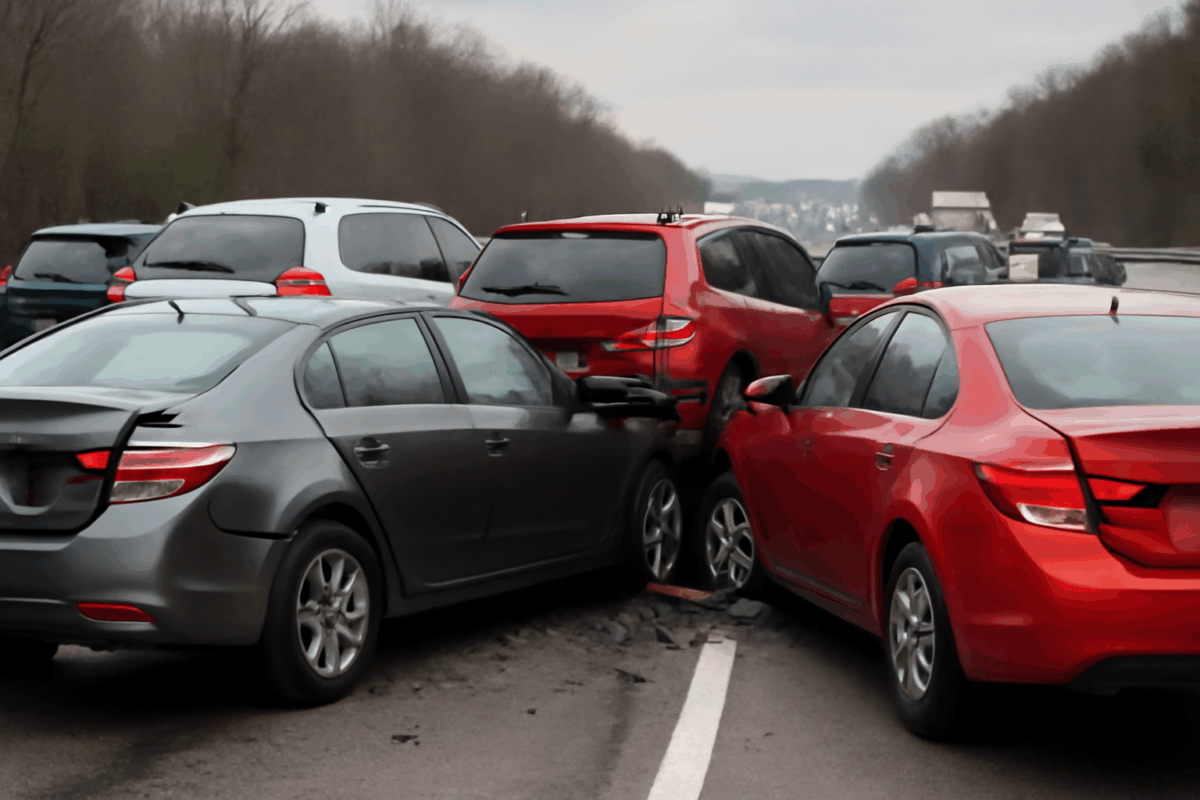
When multiple vehicles collide in a single accident, the result is often a chaotic scene that raises several legal and insurance-related questions. Multi-car pileups, also known as chain reaction crashes, can involve several drivers, each of whom may have different levels of fault. For Georgia drivers involved in such accidents, understanding the nuances of liability and how fault is determined is crucial. Whether it’s a result of weather conditions, distracted driving, or mechanical failure, a multi-car crash can be complex, and knowing how to navigate it legally is essential for your rights and potential compensation.

What is a Multi-Car Pileup? 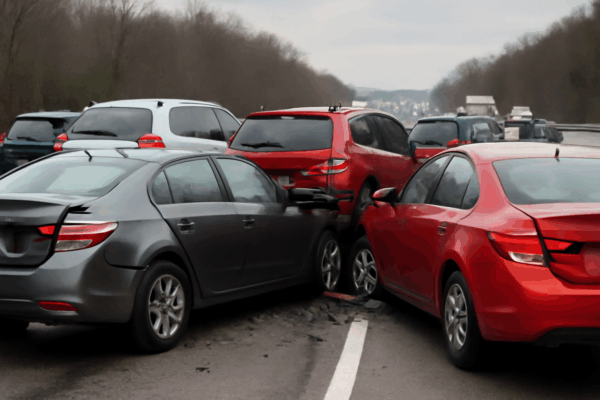
A multi-car pileup typically involves a series of collisions, where one vehicle hits another, setting off a chain reaction of accidents. These types of accidents often occur on busy highways or interstates where the speed is high, and conditions can change rapidly. While it’s easy to assume that the driver who caused the first impact is the only one at fault, multi-car pileups usually present much more complicated situations. Factors such as road conditions, driver behavior, and vehicle maintenance can all play a role in how the crash unfolds and who is legally responsible.
Multi-car pileups are most common in areas with heavy traffic, such as in and around metropolitan areas like Atlanta. In addition to the immediate collision, these accidents can lead to further complications, including road closures, emergency medical services’ involvement, and the potential for significant property damage and injuries. The legal complexities of these crashes arise from multiple vehicles potentially being involved in the accident, each having different degrees of fault. Understanding how liability is determined in these cases is critical for those seeking compensation or defense in such situations.
Attorney At Law Attorney At Law Attorney At Law
Adam Princenthal

David May

Matthew Wilson
Common Causes of Multi-Car Pileups in Georgia
There are several factors that can contribute to a multi-car pileup in Georgia. While no single factor is typically responsible, the combination of weather, driver behavior, and road conditions often contribute to these devastating accidents. Some of the most common causes include:
- Poor Weather Conditions:
Georgia is no stranger to unpredictable weather, including rain, snow, fog, and ice, all of which can dramatically affect visibility and road traction. In a chain reaction accident, slippery or wet roads are one of the leading contributors to a pileup, as vehicles are unable to stop in time to avoid the initial impact. - Distracted Driving:
Distracted driving is one of the most significant factors in the increasing number of car accidents, including multi-car pileups. Whether a driver is texting, using a mobile device, or engaged in other distractions, their ability to react to changing traffic conditions is severely diminished. In a multi-car pileup, one distracted driver can cause a chain of collisions as the vehicles ahead are unable to anticipate or avoid the crash. - Tailgating and Following Too Closely:
Tailgating occurs when a driver follows another vehicle too closely, giving them little time to react if the vehicle ahead suddenly brakes. In high-speed areas like highways and interstates, tailgating can easily cause one car to rear-end another, which can trigger further accidents. This behavior is particularly dangerous when combined with sudden braking due to unexpected obstacles or weather changes. - Speeding and Aggressive Driving:
Georgia’s highways, especially those near urban centers, are often filled with fast-moving traffic. Drivers who exceed speed limits or engage in aggressive driving—changing lanes rapidly or weaving through traffic—are much more likely to cause accidents. In a multi-car pileup, the initial impact can be intensified by the high speeds, causing greater damage and injuries.
After a car accident, I contacted David May at the Lagrange office. He, and his staff, helped me with medical advice and follow up doctors visits, along with dealing with my insurance and the insurance of the woman that hit me. I have been very pleased with the service I received from David May and the Lagrange staff. They are warm and open, always there to help with advice and answer questions.” - Debau I highly recommend Adam Princenthal .I was looking for someone with years of experience in personal injury.They needed to be knowledgeable, transparent and honest.I wanted to know I was dealing directly with the lawyer I hired.Adam Princenthal could answer all the difficult questions and phone calls were returned.Adam got the settlement I was looking for in a timely manner." - Nancy K. I am glad that I was referred to Princenthal & May. Matthew met with me and gained my trust with the case. I was never left in the dark on any matters, My phone calls were either answered or returned quickly. The office staff are very friendly as well. My case was settled, with both Matthew and Adam present. Both are very professional in their work.. They work for you !!!" - Jacque Minor
- Inadequate Vehicle Maintenance:
In some cases, a vehicle may malfunction during transit, contributing to a chain reaction crash. Mechanical issues such as brake failure, tire blowouts, or engine problems can lead to a loss of control, making it difficult for the driver to avoid a collision. If a malfunction occurs unexpectedly, the other drivers involved may not have time to react, increasing the likelihood of a pileup.
Who Is Responsible in a Multi-Car Pileup?
Understanding who is at fault in a multi-car pileup is one of the most complex aspects of these accidents. In Georgia, the law follows a system called comparative fault, meaning that multiple drivers can share responsibility based on how much each contributed to the accident. Here’s a breakdown of how fault might be determined in a chain reaction crash:
- The First Driver to Cause the Crash:
The driver who initiates the accident may be considered primarily at fault. For example, if a vehicle in the front of a line of cars slams on the brakes unexpectedly, triggering a collision with the next vehicle, that driver may bear the majority of the responsibility. However, the level of responsibility for that driver may decrease if it can be shown that another driver’s actions, like tailgating, contributed to the accident.
Hiring a Personal Injury Attorney How Long Will a Personal Injury Case Take?Related Videos
- Subsequent Drivers Involved in the Collision:
While the first driver may bear the brunt of the responsibility, subsequent drivers can also be partially at fault. For instance, a driver who hits a stopped or slowing vehicle from behind may share liability if they were not paying attention or driving too fast for the road conditions. However, the degree of fault may be reduced if it can be proven that the vehicle in front did not have working brake lights or was improperly stopped in traffic. - Shared Responsibility and Comparative Negligence:
Georgia’s comparative fault system means that liability is divided among the involved drivers based on their percentage of fault. Even if you are partially at fault, you can still seek compensation, but your potential recovery may be reduced. For example, if a driver is found to be 20% responsible for the crash, they will only receive 80% of the damages they might have otherwise been awarded. - The Role of Weather and Road Conditions:
If weather conditions or road defects contributed to the accident, liability may also fall to third parties, such as government entities responsible for road maintenance or construction. In these cases, the actions of other drivers might be less relevant, and the primary factor becomes the failure to provide a safe driving environment.
Representative Cases
Insurance Considerations After a Multi-Car Crash
When dealing with a multi-car pileup, insurance claims can quickly become complicated, especially when multiple parties are involved. After a crash, drivers should follow these steps:
- Report the Accident to Your Insurance Company:
If you are involved in a multi-car accident, it’s crucial to inform your insurance company as soon as possible. Georgia law requires drivers to report accidents to their insurers, and failing to do so in a timely manner could harm your case. When reporting the accident, provide as much detail as possible about the incident, including any information about weather conditions, road maintenance, or other vehicles involved. - Filing Under Your Own Policy:
In cases where the liable party does not have sufficient insurance to cover your damages, your own insurance policy may come into play. If you have uninsured or underinsured motorist coverage, it may help cover the costs of medical bills, vehicle repairs, and other damages resulting from the crash. - Handling Multiple Insurance Companies:
In multi-car pileups, there are likely to be several insurance companies involved, each representing different drivers. Navigating this process requires detailed documentation of the accident, as well as evidence supporting your claim. An attorney can help ensure that you are not unfairly blamed or penalized in the settlement process. - Seeking Compensation for Damages:
If you are not at fault, you may be entitled to compensation for medical bills, lost wages, pain and suffering, and vehicle repairs. In Georgia, compensation is typically sought from the at-fault driver’s insurance company, but it can be a complicated process if more than one driver is involved. Working with an experienced lawyer can streamline this process and ensure that your rights are protected.
Steps to Take Immediately After a Multi-Car Pileup
After a multi-car pileup, it’s important to follow a series of steps to ensure your safety and protect your legal rights:
- Assess the Situation:
Before doing anything else, check to see if anyone is injured and call for medical assistance if necessary. If you’re able to do so safely, move your vehicle out of traffic to avoid further collisions. - Gather Evidence:
If possible, take pictures of the accident scene, including all vehicles involved, any visible damages, and road conditions. Collect the names and contact details of any witnesses, as well as the insurance information for all other drivers involved. This information will be vital when determining fault and filing an insurance claim. - File a Police Report:
It’s important to file a police report, especially in cases where there are significant damages or injuries. The police report will serve as an official record of the accident, and it can be instrumental in determining liability. Be sure to ask for a copy of the report for your records. - Notify Your Insurance Company:
Georgia law requires you to report any accident involving injury or property damage. Notify your insurance company as soon as possible and provide them with all necessary details about the accident.
Why You Should Consult with an Experienced Personal Injury Lawyer
Navigating the aftermath of a multi-car pileup can be overwhelming, especially when dealing with insurance companies, determining fault, and seeking compensation. An experienced personal injury attorney can help:
- Investigate the Accident: A lawyer can work with accident reconstruction experts to gather evidence and determine who is responsible for the crash.
- Negotiate with Insurance Companies: Insurance companies may try to minimize your claim or deny liability altogether. A lawyer can help ensure you receive fair compensation.
- Handle Complex Legalities: The comparative fault system in Georgia can be difficult to navigate. A lawyer will ensure that your case is handled properly and that you understand your legal rights and obligations.
Call Princenthal, May & Wilson LLC for a Free Consultation
If you’ve been involved in a multi-car pileup in Georgia, Princenthal, May & Wilson LLC is here to help. Our skilled attorneys have extensive experience handling complex car accident cases and can guide you through the legal process with confidence. Contact us today for a free consultation to discuss your case and explore your options for recovery.
To learn more about this subject click here: Who’s Liable in a Multi-Car Accident During Georgia’s Rainy Season?