
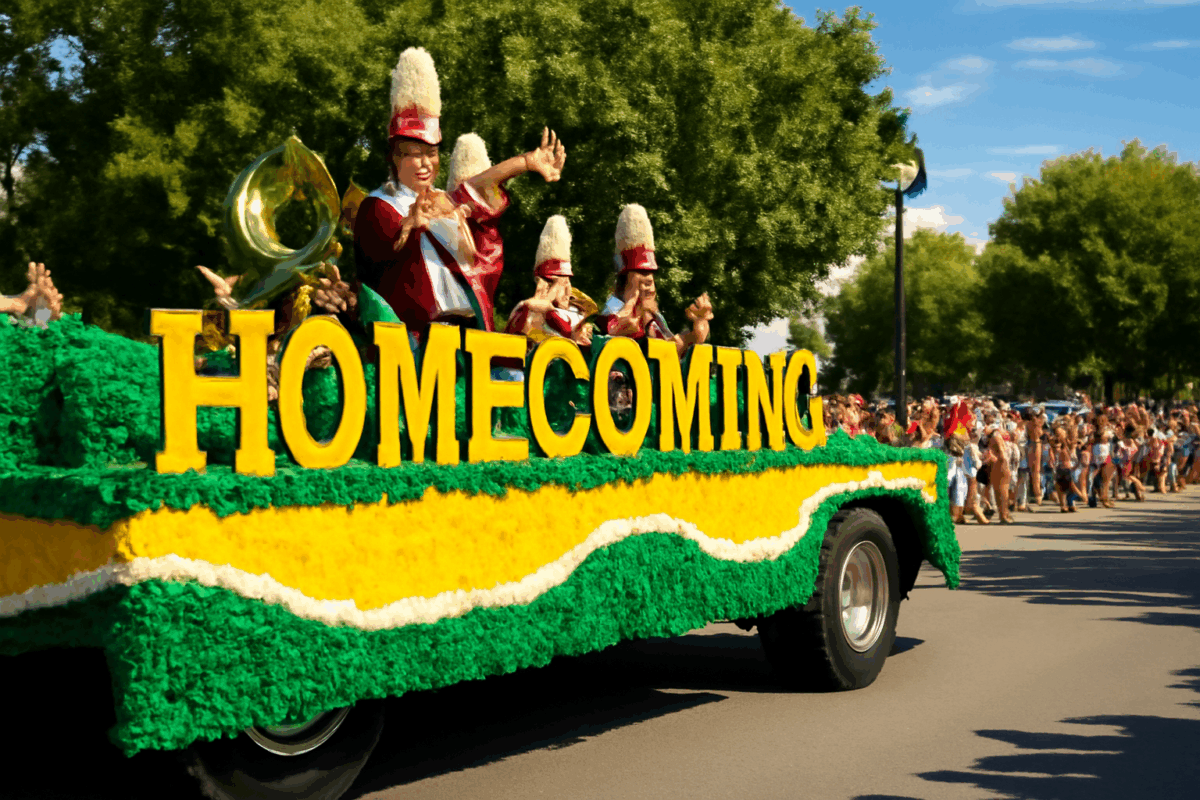
In Georgia, school events such as homecoming parades bring excitement and celebration to communities. However, accidents and injuries can occur when large crowds, floats, and vehicles come together in busy environments. Understanding who is responsible for injuries at these homecoming events is crucial for those who are injured. Liability for incidents involving floats, vehicles, or crowd-control issues often involves a complex legal analysis of negligence, responsibility, and safety measures.
Understanding Liability in Georgia Personal Injury Law 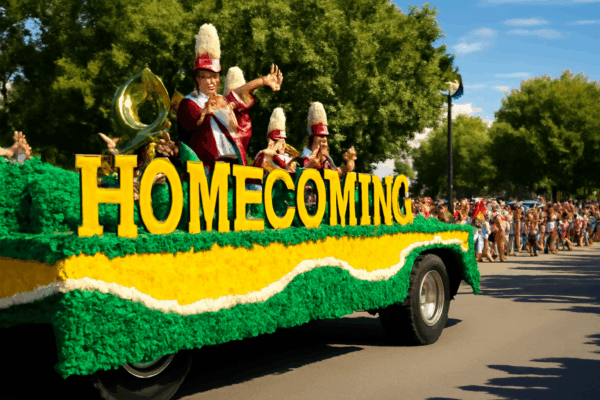
Liability in Georgia for personal injuries arising from homecoming parades or school events is generally governed by principles of negligence. To determine liability, the injured party must establish that the defendant acted negligently, and that this negligence directly caused the injury. Negligence may be defined as the failure to exercise the care that a reasonable person would in a similar situation. In the context of public events like parades, several parties may be responsible for ensuring safety, and any failure on their part can result in liability.
Who is Responsible for Float and Vehicle Accidents?
Float and vehicle accidents during school parades can lead to severe injuries, especially when large crowds are involved. These types of incidents typically involve multiple parties who might share responsibility for the accident.
Event Organizers
Event organizers are tasked with ensuring the event is conducted safely. This includes obtaining necessary permits, inspecting vehicles and floats before the event, and ensuring proper crowd control measures are in place. Organizers must take reasonable precautions to prevent accidents. If an organizer fails to address potential hazards, such as ensuring that a float is properly secured or that vehicles are in good working condition, they could be held liable for injuries resulting from their negligence. For example, if a float malfunctions or causes a collision due to poor preparation, the event organizer may be responsible.
Attorney At Law Attorney At Law Attorney At Law
Adam Princenthal

David May
Matthew Wilson
Vehicle Operators
In any parade, the individuals operating floats or vehicles must be aware of their surroundings and exercise caution. If a vehicle or float driver is negligent in operating the vehicle—such as speeding, failing to stop when necessary, or driving under the influence of alcohol or drugs—they may be held liable for the injuries caused. Vehicle operators are required to follow traffic laws and adhere to the safety protocols set for parades. A driver who deviates from these expectations, resulting in an accident, may face liability for the incident.
Float Builders and Designers
Those responsible for the construction and design of floats also have a duty to ensure that the floats are safe for use. A poorly constructed float, such as one with unstable platforms or improperly secured decorations, can cause serious accidents. If the float’s design or construction is defective and leads to an injury, the builder or designer may be held accountable. For instance, if a float collapses due to faulty construction or safety lapses, the responsible party could be liable for damages resulting from the injury.
Crowd-Control Issues and Liability
Crowd control is another significant concern at large school events such as parades. When a crowd becomes unruly or when organizers fail to maintain order, accidents and injuries can occur. The question of liability in such cases is often directed at those in charge of managing the crowd.
After a car accident, I contacted David May at the Lagrange office. He, and his staff, helped me with medical advice and follow up doctors visits, along with dealing with my insurance and the insurance of the woman that hit me. I have been very pleased with the service I received from David May and the Lagrange staff. They are warm and open, always there to help with advice and answer questions.” - Debau I highly recommend Adam Princenthal .I was looking for someone with years of experience in personal injury.They needed to be knowledgeable, transparent and honest.I wanted to know I was dealing directly with the lawyer I hired.Adam Princenthal could answer all the difficult questions and phone calls were returned.Adam got the settlement I was looking for in a timely manner." - Nancy K. I am glad that I was referred to Princenthal & May. Matthew met with me and gained my trust with the case. I was never left in the dark on any matters, My phone calls were either answered or returned quickly. The office staff are very friendly as well. My case was settled, with both Matthew and Adam present. Both are very professional in their work.. They work for you !!!" - Jacque Minor
Event Organizers and Their Responsibility
Organizers must implement crowd control measures to ensure that the crowd remains safe and orderly. This includes setting up barriers, ensuring adequate security, and directing people away from dangerous areas like near moving vehicles or floats. Failure to manage the crowd can lead to injuries, particularly in instances where the crowd becomes overcrowded or behaves aggressively. For example, if an event organizer fails to hire enough security personnel to monitor the crowd or neglects to set up barriers to prevent people from getting too close to a moving float, they may be held liable for any resulting injuries.
Local Authorities and Their Role
Local government authorities may also share in the liability for crowd-control incidents if they have jurisdiction over the event. In some cases, local police departments or city officials are responsible for maintaining public safety during large gatherings. If they fail to provide adequate crowd control, such as by not monitoring pedestrian traffic or not responding to unsafe behavior in a timely manner, they may be held liable for injuries caused by the disorderly crowd.
Hiring a Personal Injury Attorney How Long Will a Personal Injury Case Take?Related Videos
Third-Party Contractors for Crowd Control
In many cases, event organizers hire third-party contractors to manage crowd control. These contractors are typically responsible for ensuring that the crowd follows safety protocols and does not pose a risk to participants or spectators. If a third-party contractor fails to perform their duties properly, such as by not preventing dangerous crowd behaviors or not adequately securing the area, they may be held liable for injuries. For instance, if the crowd pushes into a dangerous area where a float is passing, causing a person to be injured, the contractor may be responsible for failing to control the crowd.
Injuries During Parades: Common Types and Legal Options
Injuries that occur during homecoming parades or other school events can range from minor to severe. Common injuries include:
- Broken bones caused by falls or collisions with floats or vehicles.
- Traumatic brain injuries from falls or being struck by a float.
- Spinal cord injuries resulting from falls or vehicle collisions.
- Lacerations and abrasions due to being near moving floats or sharp objects.
If you or someone you know suffers an injury during a parade or school event in Georgia, you may be entitled to compensation for several types of damages:
- Medical Expenses: This includes the cost of treatment, rehabilitation, and any future medical needs related to the injury.
- Lost Wages: If the injury results in missed work, compensation can be sought for lost wages and income.
- Pain and Suffering: Compensation may be awarded for physical pain and emotional distress caused by the injury.
- Punitive Damages: In cases involving gross negligence or willful misconduct, additional damages may be awarded as a form of punishment to the liable party.
What Steps Should You Take After an Injury at a School Event?
If you are injured during a school event or parade in Georgia, there are several important steps to take to protect your legal rights:
Seek Medical Attention Immediately
Even if you believe your injuries are minor, it is essential to seek medical attention right away. Some injuries, such as concussions or internal injuries, may not be immediately apparent. Getting checked by a healthcare professional ensures that your injuries are documented, which can help in the claims process.
Representative Cases
Document the Scene of the Incident
If possible, take photographs of the scene where the injury occurred. Capture images of any hazardous conditions, the vehicles or floats involved, and any other relevant details. Collecting this evidence is crucial for building a strong case and establishing liability.
Contact an Experienced Attorney
An experienced personal injury attorney in Georgia can help guide you through the legal process. They can identify the parties responsible for your injuries and ensure that you receive the appropriate compensation. Consulting with an attorney helps clarify your options and protects your interests during what can often be a complex legal process.
File a Personal Injury Claim
Once you have gathered all necessary information and consulted with an attorney, you may need to file a personal injury claim. Depending on the circumstances, your attorney will help you decide whether to file a claim against the event organizers, vehicle operators, contractors, or other parties responsible for your injuries.
Injuries during homecoming parades or other school events can have a lasting impact on victims and their families. Determining liability is essential for seeking compensation and holding the responsible parties accountable. In Georgia, understanding who is liable for float, vehicle, or crowd-control incidents is key to ensuring that you receive the compensation you deserve.
If you or a loved one has been injured at a school event or parade in Georgia, Princenthal, May & Wilson LLC is here to provide expert legal guidance. Contact us today to discuss your case and find out how we can help you navigate the claims process and secure justice.
This article is for informational purposes only and is not legal advice. Consult an attorney about your specific situation.
To learn more about this subject click here: Determining Liability in Georgia Truck Accidents: Common Queries