
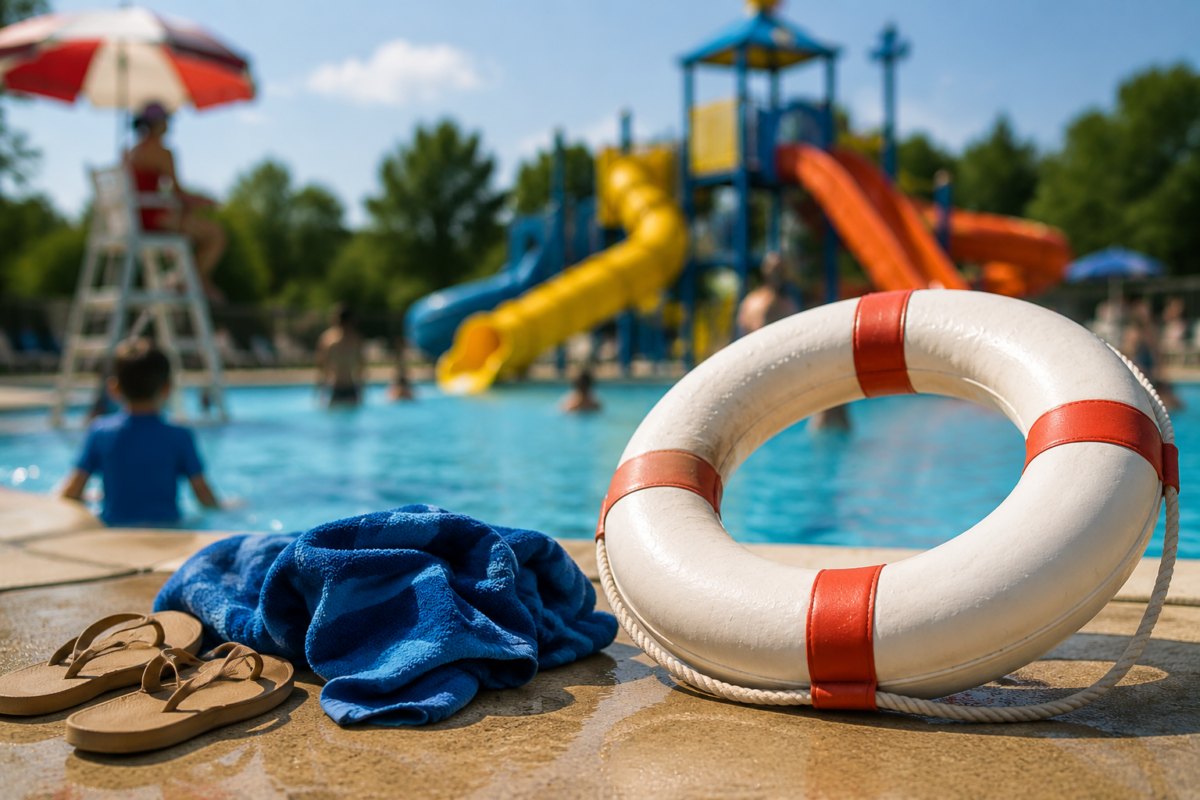
Accidents at swimming pools and water parks across Georgia can lead to serious harm, especially during the busy summer months when facilities are crowded and supervision may be stretched thin. Injuries often happen quickly and can involve slipping hazards, unsafe equipment, or lack of proper oversight. Understanding what to do right after an incident can protect both health and legal rights, particularly when negligence may have played a role in unsafe conditions.


Injured at a Georgia Pool or Water Park This Summer? 
Princenthal, May & Wilson LLC represents individuals across Georgia who have suffered injuries at pools, water parks, and other recreational facilities where safety failures and preventable hazards caused serious harm. These environments are meant for relaxation and family enjoyment, but when property owners, operators, or staff fail to maintain safe conditions, visitors can be exposed to risks that lead to life changing injuries.
During peak summer months in Georgia, pools and water parks are often filled beyond comfortable capacity, increasing the likelihood of accidents. Wet surfaces, poorly maintained equipment, overcrowding, and inattentive supervision can combine to create dangerous situations. When an injury occurs, the steps taken immediately afterward can have a major impact on recovery, insurance outcomes, and the ability to pursue compensation under Georgia law.
Understanding How Pool and Water Park Accidents Happen
Many people assume swimming environments are inherently safe, yet numerous accidents occur each year due to preventable hazards. In Georgia, these incidents often stem from property owners failing to properly inspect, maintain, or monitor their facilities. Slippery concrete around pool decks is one of the most common causes of falls, especially when warning signs are missing or drainage systems are poorly designed.
Water slides, diving boards, and wave pools also present risks when not properly maintained. Even a small defect in a slide surface or a malfunction in a pump system can result in serious injuries. In some cases, chemical imbalances in pool water lead to burns or respiratory issues, particularly in indoor facilities where ventilation is limited. These conditions often point to a breakdown in maintenance procedures or inadequate staff training, both of which may form the basis of a legal claim.
Attorney At Law Attorney At Law Attorney At Law
Adam Princenthal

David May

Matthew Wilson
Injuries Commonly Seen in Water Recreation Settings
Injuries at pools and water parks vary widely in severity. Some individuals experience minor sprains or bruises, while others suffer life altering harm such as spinal cord injuries or traumatic brain injuries. Falls on wet surfaces frequently lead to fractures or head trauma, especially when individuals strike hard poolside concrete without warning barriers or protective padding.
Diving accidents can result in catastrophic neck and back injuries, particularly in shallow water areas where depth is not clearly marked. Near drowning incidents are among the most serious outcomes and may lead to long term oxygen deprivation affecting brain function. Even chemical exposure can cause lasting respiratory damage or skin injuries that require extensive medical treatment. Each of these scenarios may involve negligence depending on the conditions present at the facility.
Immediate Steps After a Pool or Water Park Injury
Taking the right actions immediately after an accident is critical. The first priority should always be medical attention, even if the injury initially appears minor. Some conditions, especially head or spinal injuries, may not show full symptoms right away. Prompt evaluation creates a medical record that may be important later.
Reporting the incident to facility management is also important, and an official report should be requested. If possible, photographs of the area where the injury occurred should be taken, including wet surfaces, broken equipment, missing warning signs, or overcrowded conditions. Witness information should also be collected, as independent accounts can help clarify how the incident occurred.
It is also important to avoid making detailed statements to insurance representatives before understanding the full extent of injuries or circumstances. Early statements may be used later in ways that reduce potential recovery.
After a car accident, I contacted David May at the Lagrange office. He, and his staff, helped me with medical advice and follow up doctors visits, along with dealing with my insurance and the insurance of the woman that hit me. I have been very pleased with the service I received from David May and the Lagrange staff. They are warm and open, always there to help with advice and answer questions.” - Debau I highly recommend Adam Princenthal .I was looking for someone with years of experience in personal injury.They needed to be knowledgeable, transparent and honest.I wanted to know I was dealing directly with the lawyer I hired.Adam Princenthal could answer all the difficult questions and phone calls were returned.Adam got the settlement I was looking for in a timely manner." - Nancy K. I am glad that I was referred to Princenthal & May. Matthew met with me and gained my trust with the case. I was never left in the dark on any matters, My phone calls were either answered or returned quickly. The office staff are very friendly as well. My case was settled, with both Matthew and Adam present. Both are very professional in their work.. They work for you !!!" - Jacque Minor
Legal Responsibility in Georgia Pool and Water Park Cases
Responsibility for these incidents may fall on multiple parties depending on how the injury occurred. Property owners and operators have a legal duty to maintain reasonably safe conditions for guests. This includes regular inspections, proper maintenance of equipment, adequate staffing of lifeguards, and enforcement of safety rules.
In some situations, third party maintenance companies or equipment manufacturers may also share responsibility if a defect or servicing failure contributed to the incident. Municipal facilities may be involved when public pools are operated by local governments, which can introduce additional legal considerations.
Georgia premises liability law plays a central role in these cases. Property owners are required to take reasonable steps to prevent foreseeable harm. When they fail to meet this obligation and someone is injured, they may be held accountable for resulting damages. More information about premises liability standards can be found here:
https://www.princemay.com/Georgia-Premises-Liability-Lawyers/
How Georgia Comparative Fault May Affect a Claim
Georgia follows a comparative fault system, which means compensation can be adjusted if an injured person is found partially responsible for what happened. For example, if a visitor ignored clearly posted safety instructions or entered a restricted area, a percentage of fault may be assigned.
Even in situations where partial responsibility exists, recovery may still be available as long as another party contributed to the incident. Each case depends heavily on evidence, including facility records, witness statements, and safety documentation. Understanding how fault is evaluated is essential when assessing potential outcomes.
Hiring a Personal Injury Attorney How Long Will a Personal Injury Case Take?Related Videos
Types of Compensation That May Be Available
When negligence is involved, injured individuals may be entitled to several forms of compensation. Medical expenses are often the most immediate concern, including emergency treatment, surgery, rehabilitation, and ongoing care needs. In more serious cases, future medical costs may also be considered if long term treatment is required.
Lost income is another important factor, especially if the injury prevents a return to work for an extended period. Pain and suffering may also be included, reflecting the physical discomfort and emotional impact of the injury. In severe cases involving permanent disability, compensation may account for long term loss of earning capacity and reduced quality of life.
How Legal Representation Can Assist After an Injury
Pursuing a claim involving a pool or water park injury often requires a detailed investigation. This may include reviewing surveillance footage, inspecting maintenance logs, interviewing witnesses, and consulting with safety experts. Establishing how and why the incident occurred is essential to determining liability.
Insurance companies often attempt to minimize payouts or shift blame onto injured individuals. Legal representation helps ensure that communications are handled appropriately and that evidence is preserved. In some situations, litigation may be necessary to pursue full accountability when settlement discussions do not result in fair compensation.
For additional information about personal injury representation in Georgia, visit:
https://www.princemay.com/Georgia-Personal-Injury-Lawyers/
Preventing Future Pool and Water Park Injuries
While not all accidents are preventable, many occur due to avoidable safety failures. Facilities are expected to follow strict maintenance schedules, ensure proper staffing, and provide clear warnings about hazards. Visitors can also take precautions by remaining aware of surroundings, following posted rules, and avoiding risky behavior in crowded or unfamiliar areas.
Families with children should pay close attention in water environments, as many accidents involve moments of distraction. Even in well maintained facilities, conditions can change quickly, making awareness a key part of safety.
For those seeking help after an injury involving unsafe premises conditions, additional information is available here:
https://www.princemay.com/Georgia-Slip-and-Fall-Lawyers/
Princenthal, May & Wilson LLC provides guidance to individuals and families throughout Georgia who have been harmed in preventable accidents at recreational facilities. Early legal guidance can help preserve important evidence, clarify responsibility, and support the process of seeking compensation for injuries caused by unsafe conditions.
https://www.princemay.com/Contact-Us/
This information is for general educational purposes only and does not constitute legal advice. Consultation with an attorney is recommended for guidance specific to any individual situation.