
Thanksgiving is one of the busiest travel periods of the year in Georgia. Thousands of vehicles pour onto the roads, especially I-75 and I-16, as families head to various destinations to celebrate. Unfortunately, this high traffic volume, combined with unpredictable weather and holiday stress, can lead to dangerous accidents, including multi-vehicle pileups. These crashes often result in extensive property damage, severe injuries, and sometimes fatalities. But who is responsible when a series of accidents occur, especially when several drivers are involved? If you’re involved in a multi-vehicle pileup on I-75 or I-16, the complex process of determining liability can be overwhelming.
The Thanksgiving Traffic Surge: An Invitation for Accidents 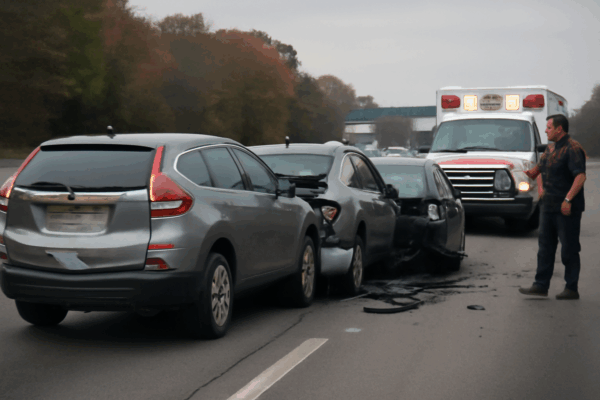
Every year, highways like I-75 and I-16 experience a sharp increase in traffic as drivers rush to meet family and friends. The convergence of so many vehicles on long stretches of highway increases the chances of accidents. In fact, the National Highway Traffic Safety Administration (NHTSA) reports that traffic-related fatalities rise sharply during the Thanksgiving holiday due to a combination of increased traffic and impaired driving.
What makes these accidents even more dangerous is the tendency for them to escalate into multi-vehicle pileups. Chain-reaction crashes, where one accident triggers a series of collisions, are common. A driver may rear-end another, causing that vehicle to slam into the one in front of it, and so on. In just a few seconds, a minor fender-bender can escalate into a significant pileup involving multiple vehicles.
What is a Chain-Reaction Accident?
A chain-reaction accident, also known as a pileup, typically starts with an initial crash that triggers a sequence of collisions. It may involve one or more of the following:
- Rear-End Collisions: The most common cause of multi-vehicle pileups. If the driver in the back isn’t paying enough attention or is too close to the vehicle in front, they may not stop in time.
- Side-Impact Crashes: When a vehicle is hit from the side, especially in intersections, it may veer into another lane, colliding with other vehicles.
- Lost Control: During poor weather conditions, such as rain or fog, vehicles can lose control and crash into other cars, creating a hazardous situation.
In Georgia, these types of accidents are especially concerning during Thanksgiving because of the combination of holiday stress, fatigue, and inclement weather. Drivers often don’t expect an accident to occur until it’s too late.
Attorney At Law Attorney At Law Attorney At Law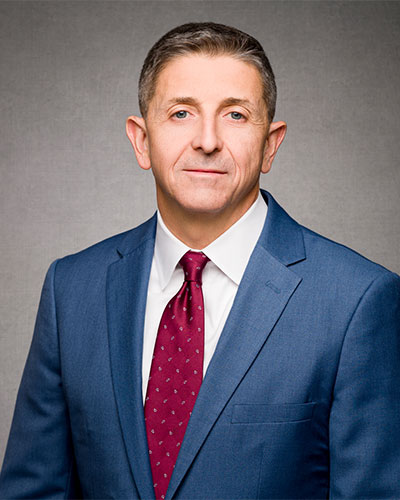
Adam Princenthal

David May
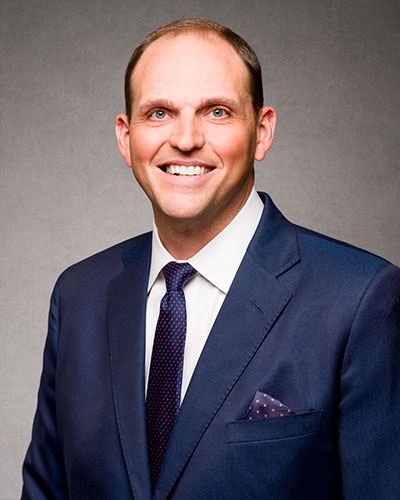
Matthew Wilson
Who is Responsible for a Chain-Reaction Accident?
One of the most common questions people have after being involved in a multi-vehicle crash is: Who is liable? In Georgia, liability is typically determined by the principle of comparative negligence. This means that each party involved in the accident is assigned a percentage of fault based on their actions leading up to the crash. Here’s how it works:
- Driver Responsibility: The first driver to cause the crash is often deemed the most responsible. If their actions led to the initial collision, they are liable for the damages to the other vehicles involved. However, if other drivers were also negligent, their actions could be partially responsible as well.
- The Role of Following Too Closely: In many multi-vehicle pileups, a rear-end collision is the first step in the chain reaction. The driver who failed to maintain a safe following distance may be deemed at fault. Georgia law requires drivers to maintain a safe distance between their vehicle and the one in front of them, allowing enough time to stop or avoid a collision if necessary.
- Multiple Parties at Fault: In some cases, multiple parties can be found partially at fault. For example, if Driver 1 caused the initial accident but Driver 2 was driving too fast for the road conditions and failed to stop in time, they could be partially responsible as well.
- Insurance Companies and Liability: Once fault is determined, the insurance companies of the responsible parties will typically cover the damages. However, in multi-vehicle accidents, disputes often arise over how much each party is liable for and how the damages should be split.
After a car accident, I contacted David May at the Lagrange office. He, and his staff, helped me with medical advice and follow up doctors visits, along with dealing with my insurance and the insurance of the woman that hit me. I have been very pleased with the service I received from David May and the Lagrange staff. They are warm and open, always there to help with advice and answer questions.” - Debau I highly recommend Adam Princenthal .I was looking for someone with years of experience in personal injury.They needed to be knowledgeable, transparent and honest.I wanted to know I was dealing directly with the lawyer I hired.Adam Princenthal could answer all the difficult questions and phone calls were returned.Adam got the settlement I was looking for in a timely manner." - Nancy K. I am glad that I was referred to Princenthal & May. Matthew met with me and gained my trust with the case. I was never left in the dark on any matters, My phone calls were either answered or returned quickly. The office staff are very friendly as well. My case was settled, with both Matthew and Adam present. Both are very professional in their work.. They work for you !!!" - Jacque Minor
The Importance of Documenting the Scene
When you’re involved in a chain-reaction crash, the more documentation you can provide, the better. At the scene of the accident, it’s important to:
- Take Photos: Capture photos of all the vehicles involved, any damage, and the surrounding area. This can help establish where the crash occurred and how it happened.
- Get Witnesses: If there are any witnesses, make sure to get their contact information. They can be crucial in helping to establish who was at fault.
- Collect Insurance Information: Make sure to exchange insurance details with all drivers involved. This is important for filing claims and establishing liability.
- Call the Police: A police report can help in determining the cause of the accident and who should be held accountable. Officers will document the scene and may cite any drivers for traffic violations, which can be important evidence in your case.
The Role of Insurance in Multi-Vehicle Pileups
Insurance claims are typically the most straightforward way to recover damages in the aftermath of a multi-vehicle accident. However, when multiple parties are involved, it’s important to understand how the process works.
In a typical accident, your own insurance company would cover the damages if you are not at fault. However, in a multi-vehicle accident, things can get complicated:
- Liability and Property Damage: If you are not at fault, the at-fault driver’s insurance company should cover your damages. However, if the at-fault driver’s insurance policy is not enough to cover all your costs, you may need to pursue your own insurance or even file a lawsuit against the responsible parties.
- Collision Coverage: If you have collision coverage, your insurance may help pay for repairs even if you’re partially at fault. Keep in mind that you will likely need to pay your deductible.
- Uninsured or Underinsured Motorist Coverage: If one of the parties involved in the crash doesn’t have insurance or enough insurance, your own uninsured or underinsured motorist coverage may help cover the costs of damages.
- Comparative Fault: Georgia follows a comparative fault rule, which means that if you are partially at fault for the accident, your compensation will be reduced by the percentage of your fault. For example, if you are found to be 25% at fault, your compensation will be reduced by that amount.
Hiring a Personal Injury Attorney How Long Will a Personal Injury Case Take?
Related Videos
The Importance of Legal Representation in Multi-Vehicle Crashes
When dealing with multi-vehicle accidents, it’s important to have experienced legal representation. Personal injury attorneys, especially those familiar with Georgia’s complex accident laws, can help you navigate the claims process and ensure that you receive fair compensation. They will:
- Negotiate with Insurance Companies: Insurance companies will often try to settle for the lowest possible amount. An attorney will fight to make sure you get the compensation you deserve for medical bills, lost wages, pain and suffering, and property damage.
- Ensure Fair Compensation: In cases where multiple drivers are involved, an attorney will ensure that each party is held accountable for their share of the accident.
- Take Your Case to Court: If necessary, a lawyer will be prepared to take your case to court to ensure that you receive the compensation you are owed.
While Thanksgiving is a time for families to come together, it can also be a time for accidents. The risk of multi-vehicle crashes increases during this busy holiday period, particularly on major highways like I-75 and I-16. In the event of a chain-reaction crash, determining who is at fault and who will pay for the damages is not always straightforward. By understanding Georgia’s comparative fault laws and having a knowledgeable attorney by your side, you can protect your rights and ensure that you receive the compensation you deserve.
Contact Princenthal, May & Wilson LLC today for a free consultation if you’ve been involved in a multi-vehicle accident. Our experienced personal injury attorneys are ready to help you navigate the complex claims process.